
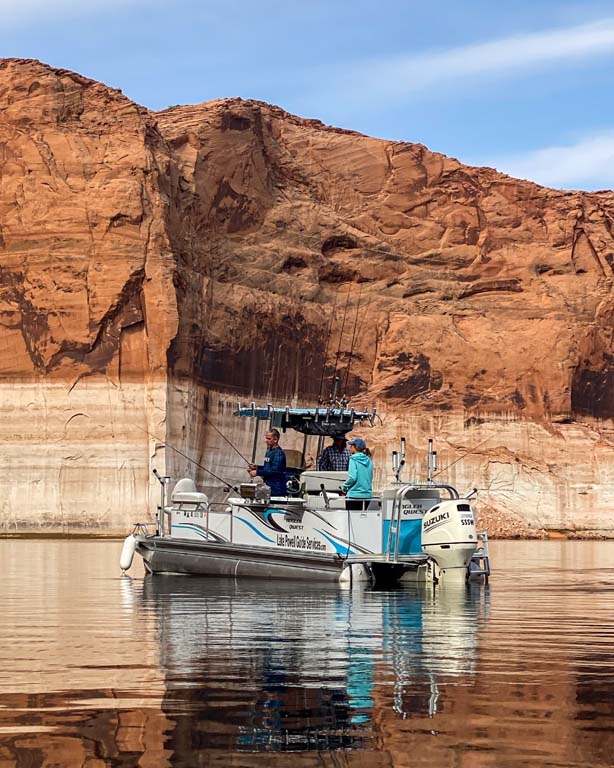
Lake Powell is not just a meeting point of water, stone, and desert sky; it’s one of the most breathtaking landscapes in the American Southwest. Beyond its renowned red cliffs and turquoise waters lies a vibrant ecosystem brimming with life. Discovering this hidden gem reveals an astonishing variety of wildlife—from desert bighorn sheep perched on canyon walls to bald eagles gracefully soaring above. For nature enthusiasts, photographers, and adventurous travelers alike, exploring this wild side offers an unforgettable experience that rivals even the thrill of boating through the canyons. Embrace the opportunity to witness nature’s marvels in their full glory at Lake Powell.
A Living Desert: Why Wildlife Thrives Here
Glen Canyon National Recreation Area is a must-visit destination, spanning an impressive 1.25 million acres across Utah and Arizona. Its breathtaking landscapes range from high desert plateaus to lush riparian corridors along the Colorado River, offering an incredible ecological diversity that attracts a wide array of wildlife. The lake serves as a crucial water source in this arid region, drawing animals from miles away. Raptors find nesting sites on steep canyon walls, while quiet coves provide refuge for fish and turtles, and the desert plateaus are home to reptiles and mammals uniquely adapted to these harsh conditions.
While many visitors might expect only rocks and water, seasoned guides can attest that Lake Powell is teeming with life at dawn and dusk. These serene hours reveal the true essence of the desert when soft light and gentle winds unveil its hidden wonders. Don’t miss out on experiencing this vibrant natural spectacle—it’s more than just a sight; it’s an unforgettable adventure waiting for you.
The Desert Bighorn Sheep: Canyon Royalty
If you’re looking for an unforgettable experience, just ask anyone who’s spent time on the water here about spotting a desert bighorn sheep. These majestic creatures, with their powerful builds and iconic curled horns, appear almost mythical as they gracefully navigate the steep cliffs. Although surprisingly common along the lake, it takes a keen eye to distinguish them from the sandstone backdrop.
Veteran anglers know that dawn is prime time for sightings when these sheep descend to drink before the day heats up. Frequent spots like Antelope Canyon, Warm Creek Bay, and Lone Rock offer excellent opportunities. From afar, they might resemble mere rocks—until one moves. With patience and stillness, you could witness an entire family emerge from a ridge line, pausing to survey their surroundings before descending with remarkable agility.
In late fall during rutting season, rams engage in dramatic head-butting battles that resonate through canyons like distant thunder—a natural spectacle that underscores their status as true wild survivors perfectly adapted to this rugged terrain. Don’t miss out on witnessing such awe-inspiring wildlife in its natural habitat; it’s an experience that will stay with you forever. Learn more about the elusive Desert Bighorn Sheep here.
Raptors and Birdwatching: The Aerial Show
For birdwatchers seeking an unforgettable experience, Glen Canyon is the ultimate destination. With over 300 bird species recorded, this location offers a breathtaking blend of open skies, majestic cliffs, and serene waters that make it a true paradise for enthusiasts. Imagine witnessing the awe-inspiring sight of bald eagles in winter—these magnificent creatures with their impressive wingspans and striking white heads create a magical scene against the red rock backdrop. They can often be spotted near Wahweap Marina or along the Colorado River below Glen Canyon Dam, especially in the early mornings when they soar gracefully on clear days.
But that’s not all; peregrine falcons also inhabit these canyons. Known as the fastest birds on Earth, they perform incredible aerial dives near vertical cliff faces to catch prey mid-air. Experienced guides have mastered spotting these elusive raptors by recognizing subtle cues—a fleeting shadow or a distinctive cry—that signal their presence.
During spring and fall migration seasons, Glen Canyon transforms into vibrant birding hotspots as waves of waterfowl and songbirds arrive. Great blue herons elegantly stalk through shallow waters like ancient beings while flashes of color from warblers and orioles brighten up cottonwood trees. Quietly paddling into a narrow side canyon at sunrise reveals another layer of enchantment: an avian chorus that fills the air before you even see them.
Glen Canyon promises not just sights but an immersive symphony of nature that captivates both seasoned birdwatchers and newcomers alike—making it an essential addition to any birder’s itinerary.
Reptiles and Amphibians: Life at Ground Level
When the midday sun warms the rocks, it’s the perfect time to witness Lake Powell’s captivating wildlife. The area isn’t just about dramatic vistas or soaring birds; some of its most intriguing creatures dwell close to the ground. Picture collared lizards with their striking turquoise and yellow scales, confidently basking on flat rocks as if ready for a photo op. Approach them slowly, and you might be surprised by their boldness.
In sandy washes, keep an eye out for western whiptail lizards darting at incredible speeds into crevices before you can even blink. While hiking or exploring the shoreline, encountering gopher snakes is common, and though less frequent, you might spot a western rattlesnake. Locals assure that rattlesnakes prefer avoiding humans; most encounters occur when someone inadvertently gets too near. Respect their space, and they’ll quietly retreat.
Amphibians are rare in this arid landscape but listen closely after a summer rainstorm—the enchanting chorus of canyon tree frogs reverberates through sandstone walls in an almost surreal symphony amidst such dryness.
Mammals: Desert Survivors and Nocturnal Wanderers
Beyond the allure of the charismatic sheep, Glen Canyon’s mammals offer a captivating display of stealth and intrigue. Imagine hearing the eerie calls of coyotes echoing across the lake at dawn or dusk before you ever catch a glimpse of them. Occasionally, in the gentle light of early morning, you might witness one trotting purposefully along the shoreline.
Mule deer are frequently seen but prefer to remain in secluded coves and lush areas. As sunset paints the sky, they sometimes venture to drink by the water’s edge, their silhouettes beautifully framed by the setting sun. Around campsites, rock squirrels and chipmunks provide endless amusement; however, seasoned campers understand that feeding them can lead to unwanted nocturnal visits.
As night envelops the lake, an entirely new ensemble takes center stage. Bats gracefully skim over water surfaces in pursuit of insects under starlit skies. Ringtails—elusive nocturnal cousins to raccoons—occasionally grace campsites with their presence, their long striped tails trailing behind them like whispers in the dark. Even bobcats traverse these plateaus; spotting one demands both extraordinary luck and patience.
Picture yourself on a still night by this serene waterbody: as you sit quietly under a canopy of stars reflecting off tranquil waters below—you’ll discover just how vibrantly alive this desert becomes when daylight fades away into darkness!
Beneath the Surface: Aquatic Wildlife
Lake Powell is a haven for diverse wildlife, much of which thrives beneath its shimmering surface. The lake is home to a vibrant array of fish, including striped bass, largemouth and smallmouth bass, catfish, and panfish like crappie and bluegill. These species not only make Lake Powell an angler’s paradise but also sustain the raptors, herons, and other predators that are vital to the ecosystem’s balance.
Imagine slipping a kayak into a tranquil cove at dawn; you might catch sight of spiny softshell or painted turtles basking on sunlit rocks. Their swift dive into the water upon noticing your presence often serves as the only hint of their existence. Embrace this opportunity to connect with nature in its purest form.
When to Go for the Best Wildlife Encounters
To truly experience the wonders of wildlife, timing is everything. Imagine witnessing not just a good sighting but a truly spectacular one. Spring and fall are particularly vibrant times, as migrating birds arrive in droves, temperatures remain comfortably moderate, and wildlife activity reaches its peak. Early mornings and late afternoons are ideal moments throughout the year—those magical hours when the desert awakens and every encounter is bathed in cinematic light.
Winter holds its own unique allure. With fewer visitors around and crisp air enveloping the landscape, spotting majestic bald eagles or elusive bighorn sheep becomes an even more memorable experience. On the other hand, summer unveils a different kind of excitement with reptiles emerging during daylight hours while nocturnal creatures like bats and coyotes come alive under starlit skies.
Insider Tips for Ethical Wildlife Viewing
The most seasoned Lake Powell explorers will tell you: wildlife watching here is about patience, respect, and stillness. Move slowly, keep your voice low, and let the landscape settle around you. Bring binoculars rather than approaching animals too closely, and never feed wildlife—it disrupts their natural behavior and can create dangerous situations for both animals and humans. Stick to established trails or shorelines to avoid trampling sensitive habitats, especially during nesting season in spring and early summer.
When you take the time to observe quietly, the desert rewards you. A shadow on the cliff might resolve into a golden eagle. A still shoreline might reveal a bighorn ewe and her lamb stepping down to drink. These aren’t staged encounters; they’re moments that unfold naturally, and they stay with you long after you leave.
Plan Your Lake Powell Wildlife Adventure
Lake Powell is an exhilarating destination that offers so much more than just boating—it’s a vibrant ecosystem where wildlife flourishes in the most spectacular and surprising ways. Whether you’re an avid birder, a photographer chasing that perfect sunrise shot, or simply someone who loves to uncover nature’s untamed beauty, exploring the animals of Glen Canyon will add an exciting new layer to your adventure.
At Lake Powell Guide Services, we’re thrilled to share our deep knowledge of these waters and canyons with you. Our dedicated team spends countless hours on the lake every season, observing subtle shifts in wildlife patterns and knowing precisely where and when to spot them. Whether you’re looking to combine a fishing trip with some thrilling Glen Canyon birdwatching or planning an epic multi-day camping journey, we’re here to help you dive into the wild heart of this extraordinary place. Book your Lake Powell adventure today and let us reveal the incredible wildlife that most visitors never even get a chance to see!