Categories
Fishing

Striper Fishing at Lake Powell: Tips, Techniques & Best Time to Go

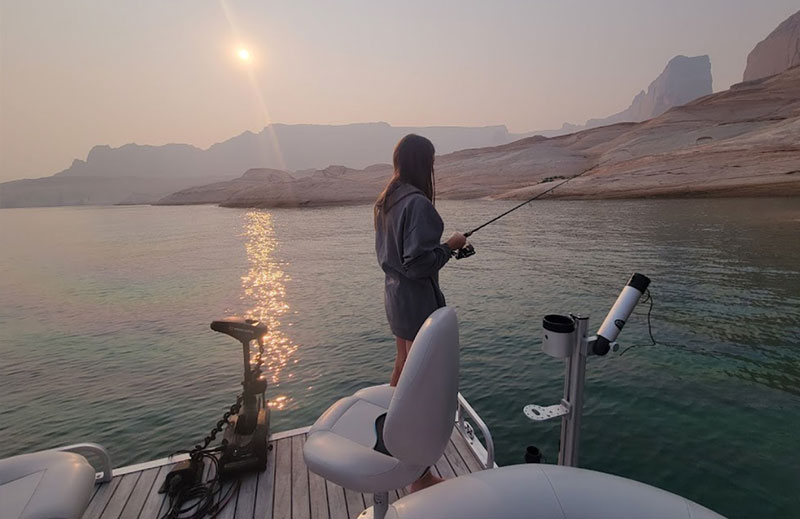
After decades of guiding fishing trips on Lake Powell, I can confidently say that striped bass—commonly called stripers—are one of the most exciting and rewarding fish to target here. Whether you’re a seasoned angler or new to the lake, striper fishing at Lake Powell offers consistent action, impressive fish sizes, and some of the best scenery in the West.

In this guide, I’ll walk you through the basics of Lake Powell striped bass fishing, including the best times to go, techniques that work, gear recommendations, and a few insider tips learned from years on the water.

Why Striped Bass Are So Popular at Lake Powell

Striped bass aren’t native to Lake Powell, but they were introduced decades ago to help control the gizzard shad population. Since then, they’ve thrived. Today, they are one of the most sought-after species in the lake for a few good reasons:

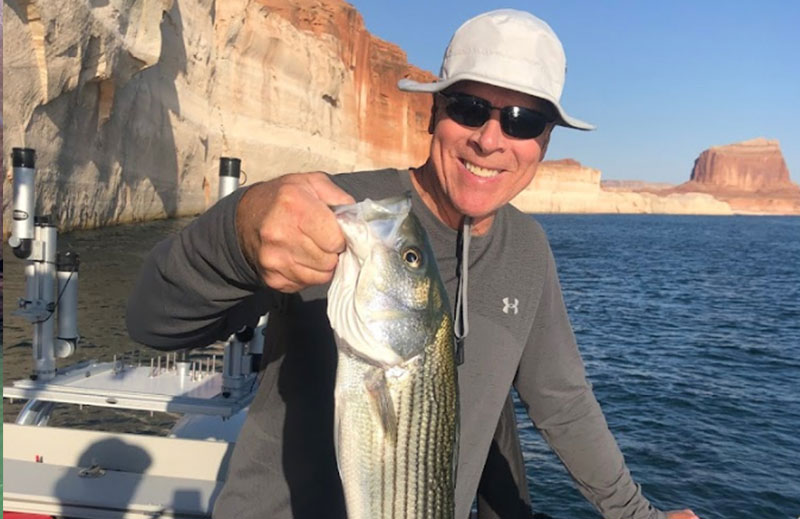
  • They get big. It’s not uncommon to land a 10- to 20-pound fish, and stripers over 30 pounds have been caught in these waters.
  • They fight hard. Stripers are powerful and known for long runs and aggressive strikes.
  • They school up. When you find one, you usually find many, leading to non-stop action.
  • They taste great. If you’re keeping fish to eat, striper fillets are mild, flaky, and delicious.

Stripers are present throughout the lake, from Wahweap and Antelope Point to Bullfrog and beyond. They adapt well to Lake Powell’s deep, clear waters and follow baitfish schools around the lake.

Best Time to Fish for Stripers in Lake Powell

One of the most common questions I get as a guide is, “When is the best time to fish for striped bass at Lake Powell?”

The short answer is: spring and fall are the prime seasons, but with the right approach, stripers can be caught year-round.

Spring (April – June): This is one of the best times to fish for stripers. As water temperatures rise, stripers become more active and begin feeding heavily. You’ll often find them in shallower water, especially in the backs of canyons and near points. This time of year offers excellent topwater and trolling opportunities.

Summer (July – August): Summer brings the heat, and stripers head deeper. Early mornings and late evenings are best. Vertical jigging in deep water becomes the go-to technique. You’ll often find them around 40 to 90 feet deep, especially near the dam and other deep basins.

Fall (September – November): Fall might be the most exciting season for striper fishing thanks to the boils. Boils are surface feeding frenzies where schools of striped bass push shad to the surface and attack them. Watching the water explode with feeding fish is a sight every angler should see. Casting into a boil can lead to fast-paced, aggressive bites.

Winter (December – February): Fishing slows down, but stripers are still catchable, especially with deep jigging techniques. You’ll need good electronics and patience, but the reward can be quality fish without much boat traffic.

Where to Find Stripers on Lake Powell

Stripers move depending on the season, water temperature, and shad activity. Here are a few of my go-to areas:

  • Wahweap & Antelope Point (South Lake): These areas near the dam are great year-round, especially for deep jigging. This is also where the lake’s largest striper on record was caught.
  • Warm Creek Bay: Consistent action in spring and fall. Look for stripers chasing bait in open water or holding off points.
  • Bullfrog & Halls Crossing (North Lake): Offers good deep-water fishing in summer and solid boil activity in fall.
  • Back of Canyons: In spring and early summer, stripers often head into canyons chasing shad. Last Chance, Navajo, and Rock Creek are all productive.

Finding the shad is the key. Stripers follow the food, so keep an eye out for bird activity, boiling water, or use sonar to locate bait schools.

Techniques for Catching Lake Powell Stripers

There are a few methods that consistently produce stripers on Lake Powell. The best technique depends on the season and where you find the fish.

  1. Anchovy Chunking: This is one of the simplest and most effective ways to catch stripers, especially in summer and winter. Drop anchor near structure or in a known striper spot, chum the water with cut anchovy, then fish bait on a hook with little or no weight. Keep your line tight and be ready—stripers often hit hard.
  2. Trolling: Trolling crankbaits or deep-diving plugs works well in spring and early summer when stripers are moving and feeding aggressively. Use downriggers or lead-core line to reach the right depth.
  3. Jigging: Vertical jigging is a go-to during summer and winter. Use spoons, jigs, or soft plastics and target fish marked on sonar. Drop the lure down and jig it up with sharp lifts and drops. This works best in deeper water (40-90 feet).
  4. Casting to Boils: In the fall, keep a rod ready with a surface popper, swimbait, or spoon. When you see a boil, get close (without spooking them) and cast into the frenzy. Retrieve quickly and hold on.

Recommended Gear

Over the years, I’ve found a few setups that consistently perform well on the lake:

  • Rod/Reel: Medium to medium-heavy spinning or baitcasting rods (6’6″ to 7′) paired with a quality reel.
  • Line: 10-20 lb monofilament or fluorocarbon. Braided line is great for jigging or deep trolling.
  • Hooks & Terminal Tackle: Size 2 to 1/0 hooks for bait fishing, 1 oz jig heads, barrel swivels, and a variety of spoons and lures.
  • Lures: Anchovies (fresh or frozen), Kastmaster spoons, Rapala deep divers, topwater plugs like Zara Spooks, and soft swimbaits.

Insider Tips from a Local Guide

  • Stay Mobile: If you’re not getting bites, don’t wait too long. Stripers move, and so should you. Use your fish finder and keep searching.
  • Follow the Birds: Birds diving on the surface are almost always chasing the same baitfish the stripers are.
  • Chum Lightly, But Consistently: When chunking, a steady trickle of anchovy pieces works better than dumping a handful all at once.
  • Watch Water Temps: Stripers become most active between 60-70°F. Adjust your techniques as temps rise or fall.
  • Keep Some, Release the Rest: Lake Powell has an overpopulation of stripers in some years, so keeping your catch helps the fishery. Still, handle fish with care and release those you don’t plan to eat.

Striper fishing at Lake Powell is one of the most rewarding experiences an angler can have. The combination of hard-fighting fish, beautiful scenery, and the potential for non-stop action keeps people coming back year after year. With the right timing, gear, and knowledge, you can have a day on the water you’ll never forget.

If you’re looking to get serious about striped bass fishing on Lake Powell, consider booking a trip with a local guide. I’ve spent years learning the patterns, reading the water, and finding the fish. Whether it’s your first time or your fiftieth, I’d love to help you make the most of your time on the lake.

Book your Lake Powell striper fishing trip today and experience what makes this fishery one of the best in the Southwest.


Categories
Guided Camping

Your Guide to Guided Camping at Lake Powell: What to Expect

There’s camping, and then there’s camping at Lake Powell. Add a knowledgeable guide to the mix, and you’ve got a next-level adventure that blends outdoor comfort, scenic beauty, and unforgettable experiences. Whether you’re new to the outdoors or just want a more relaxing trip without all the heavy lifting, guided camping at Lake Powell might be just what you’re looking for.

Let’s walk you through everything you can expect from a guided camping experience on Lake Powell—from the views and the gear to the food and the fun. We’ll also talk about how it compares to DIY camping, the benefits of going with a guide, and what makes Glen Canyon and Lake Powell one of the best places in the Southwest for an outdoor getaway.

What is Guided Camping at Lake Powell?

Guided camping at Lake Powell is a fully-supported camping experience where an expert guide handles the logistics so you can focus on enjoying the scenery and the adventure. That means no packing tents, no worrying about meals, and no guessing where to set up camp. You just show up, and we take care of the rest.

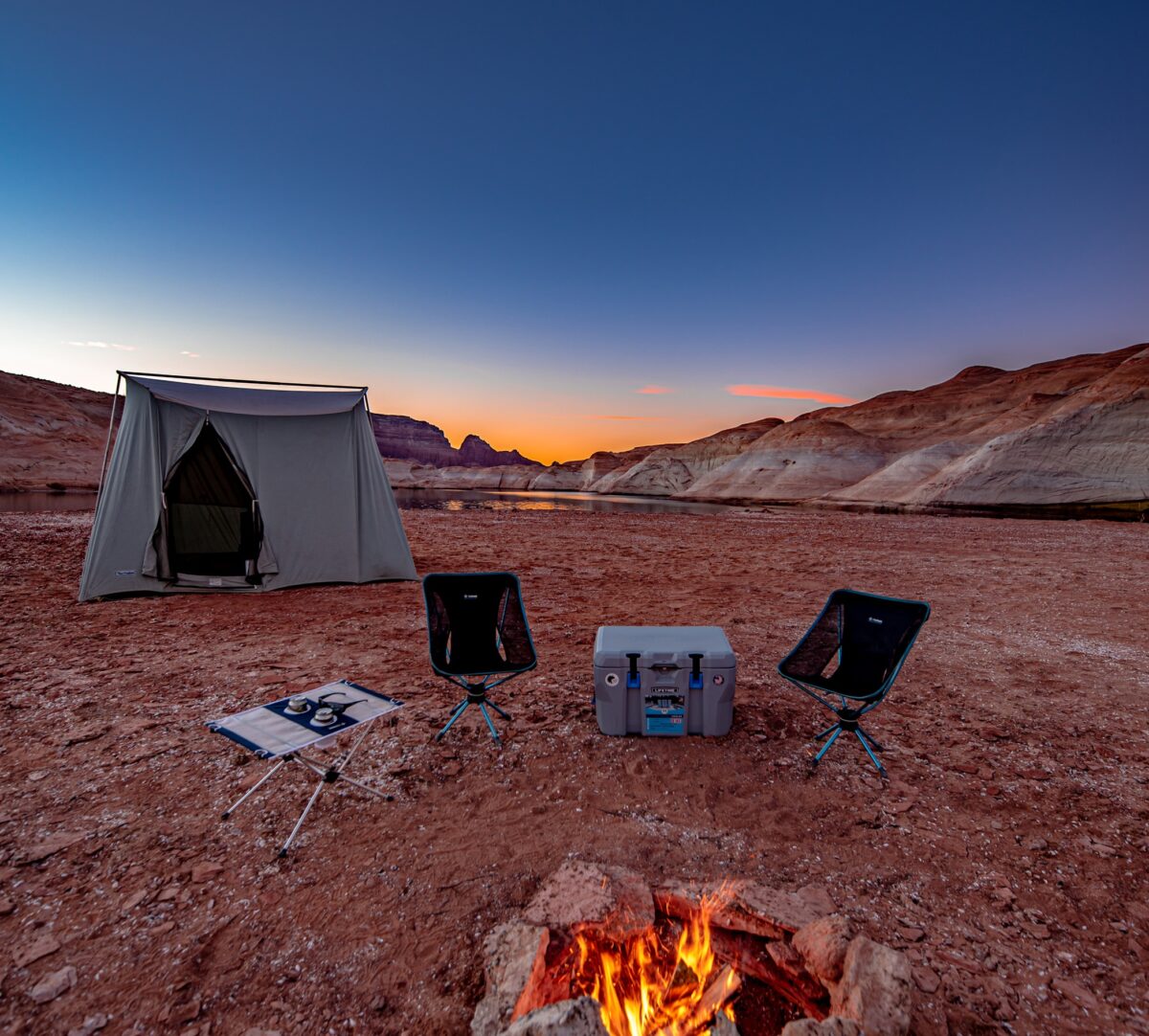
Our Lake Powell camping tours often include boat transportation to a remote beach, all the gear (tents, sleeping pads, cooking supplies), delicious campfire meals, and activities like fishing, hiking, or stargazing. It’s perfect for couples, families, or small groups who want to experience Lake Powell’s backcountry beauty with ease.

Why Camp in Glen Canyon?

Lake Powell sits in the heart of Glen Canyon National Recreation Area—a place packed with jaw-dropping views, deep canyons, and hidden beaches. Camping here is unlike anywhere else. You can wake up to red rock cliffs glowing in the sunrise, swim in clear water steps from your tent, and spend your day exploring slot canyons or casting a line.

Camping Glen Canyon-style means getting away from the crowds and immersing yourself in the raw beauty of the Southwest. It’s quiet, remote, and soul-filling.

What to Expect on a Lake Powell Camping Tour

When you book a guided camping trip with Lake Powell Guide Services, here’s what a typical experience includes:

  • Boat Access to Remote Beaches: We take you by boat to secluded camping spots only accessible from the water. That means privacy, space, and some of the most scenic campsites around.
  • All-Inclusive Gear: Tents, chairs, shade, sleeping bags, sleeping pads—we bring everything you need. You don’t have to buy or pack a thing.
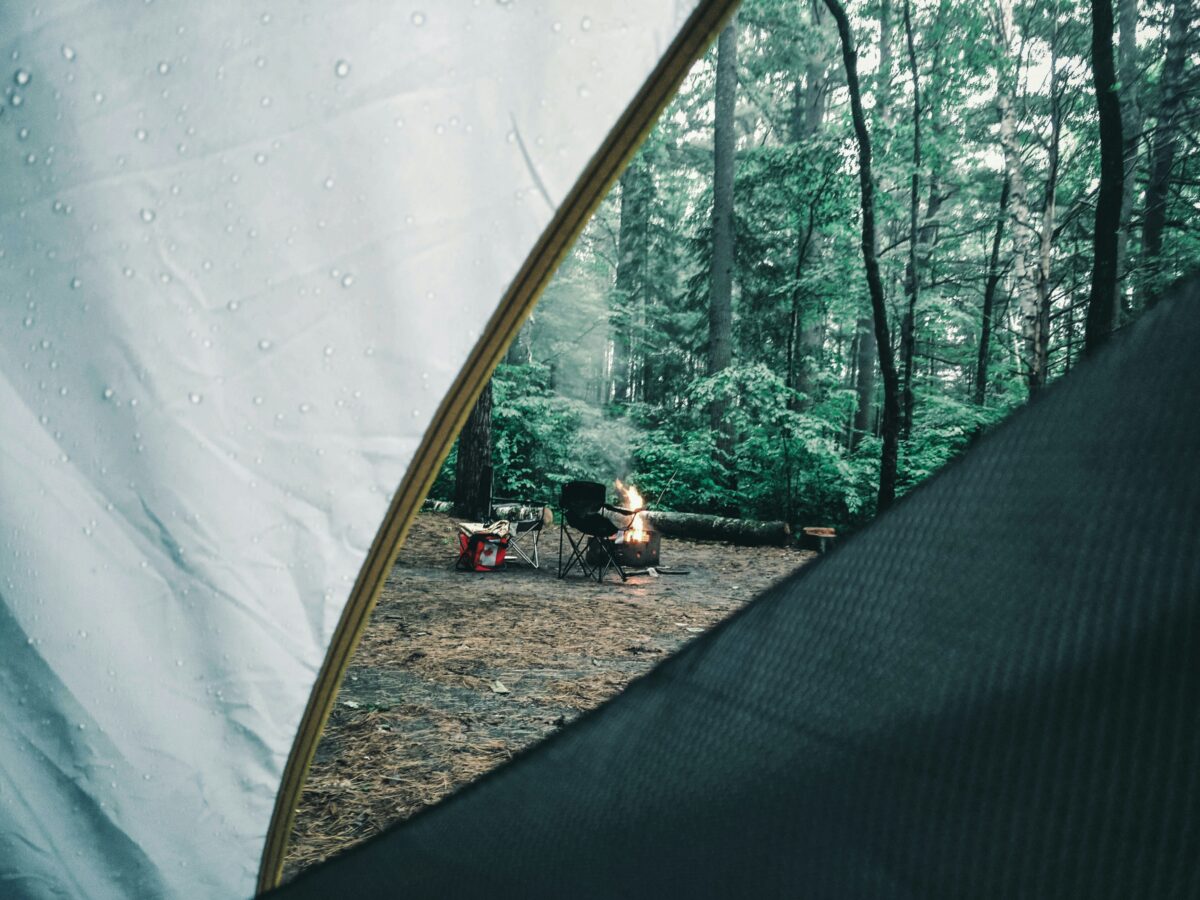
  • Campfire Cooking: Enjoy hot, freshly-prepared meals cooked right at camp. We handle the menu, prep, and cleanup.
  • Activities: Want to fish? Hike a slot canyon? Paddle around in a kayak or just relax under the stars? We can build your trip around what you enjoy.
  • Expert Local Guide: Our guides know the lake inside and out. They handle safety, navigation, weather, and planning—plus, they’re full of stories and local knowledge that make your trip richer.

Who is Guided Camping Good For?

Just about anyone. Whether you’re brand new to camping or just want to enjoy the outdoors without all the hassle, guided camping is a great option. It’s especially perfect for:

  • Families who want a safe, structured adventure
  • Couples looking for a romantic, unplugged getaway
  • Groups of friends who want to focus on fun, not planning
  • Solo travelers who want expert support

What Should You Bring?

Since we provide most of the gear, your packing list is short. Here’s what we recommend:

  • Personal clothing (layers, swimwear, hat, sun protection)
  • Toiletries and personal medications
  • Camera or phone for photos
  • Reusable water bottle
  • Any special snacks or drinks you want

We handle the rest.

Why Choose Lake Powell Guide Services?

We live and breathe Lake Powell. Our team is local, experienced, and passionate about helping people discover the beauty of Glen Canyon in a safe, memorable way. We know the best camping spots, the best times to go, and how to make every detail of your trip comfortable and fun.

Plus, when you camp with us, you’re not just getting a guide—you’re getting an experience that feels both adventurous and easy.

Book Your Lake Powell Camping Adventure

Ready to unplug and recharge with a guided camping trip? Whether it’s your first time visiting Lake Powell or your tenth, we’ll help you create a custom outdoor adventure that you’ll never forget.

Book your Lake Powell camping tour today and experience Glen Canyon like never before.

Categories
Fishing

Biggest Fish Ever Caught in Lake Powell (and How to Catch One)

If you’ve ever fished Lake Powell or dreamed of casting a line there, one thing has probably crossed your mind: what’s the biggest fish ever caught in Lake Powell? Whether you’re a seasoned angler or a weekend participant, it’s natural to get curious—and maybe a little competitive—when it comes to record-breaking catches.

Lake Powell is well-known not just for its incredible red rock scenery and boating opportunities, but for its healthy fish populations and the potential to catch some seriously big fish. In this post, we’re diving into the record fish stories from Lake Powell, the species that grow to jaw-dropping sizes, and tips for how you can increase your chances of catching the next big one.

The Biggest Fish Ever Caught in Lake Powell

Let’s start with the star of the show: the biggest fish ever caught in Lake Powell was a striped bass weighing an incredible 48 pounds, 11 ounces. It was caught in April 1991. This monster striper set the bar high for every angler fishing these waters ever since.

Striped bass, or “stripers,” are among the most popular sport fish in Lake Powell. They can grow big and travel in massive schools, often found boiling on the surface as they chase shad. That world-record catch came from near the dam at Wahweap, which is one of the best-known hotspots for striper fishing.

Other notable catches include catfish weighing over 30 pounds and largemouth bass reaching well over 10 pounds. While not officially record-breaking, many anglers have their own Lake Powell fishing stories about hooking into huge fish in narrow canyons, deep holes, and secluded coves.

What Fish Get the Biggest in Lake Powell?

When we talk about big fish in Lake Powell, three main species usually come up: striped bass, channel catfish, and largemouth bass.

Striped Bass: These are the biggest and most famous of Lake Powell’s sport fish. While most anglers are thrilled to land a 5- to 10-pound striper, fish over 20 pounds are caught every year, especially during spring and fall. They grow large because Lake Powell offers deep, cool water and a massive food supply (especially gizzard shad).

Channel Catfish: Catfish don’t get as much glory, but they sure grow big. Some of the biggest catfish caught in Lake Powell weigh upwards of 30 pounds. They live in deeper, slower-moving waters, and summer nights are the best time to target them.

Largemouth Bass: While not as big as stripers or catfish, largemouth bass can still grow into the double-digit range in Lake Powell. These fish like shallow cover and can be found in the backs of coves, especially during spring spawning season.

Lake Powell Fishing Seasons: When Big Fish Bite

One of the most important parts of catching a big fish in Lake Powell is timing your trip with the right season.

Spring: This is prime time for largemouth and smallmouth bass as they move into the shallows to spawn. It’s also a great time for catching walleye and stripers that are becoming more active as the water warms.

Summer: Early mornings and evenings are best, especially for catfish and topwater bass. Big stripers start to move deeper, but you can still find them if you follow the baitfish.

Fall: Fall is famous for the striper boils—massive feeding frenzies on the surface that can lead to incredible catches. It’s one of the best times of year to hook into a trophy-sized striped bass.

Winter: Fishing slows down in the winter, but dedicated anglers still catch big fish by deep jigging for stripers or slow-rolling baits near structure.

Where to Fish for the Big Ones

There are countless good fishing spots around Lake Powell, but some areas consistently produce bigger fish year after year.

Wahweap Marina & Dam Area: This is where the biggest striper on record was caught. It’s deep, well-oxygenated, and full of baitfish. Anchovy chunking, trolling, and vertical jigging all work well here.

Warm Creek Bay & Padre Bay: These spots are known for holding both large stripers and big bass. During spring and fall, you’ll often see birds working the surface—a sure sign that a striper boil is happening.

Bullfrog Area: If you’re launching from the north end of the lake, the Bullfrog area offers great fishing for catfish, stripers, and bass. Look for deep structure or shallows with vegetation.

Back of Canyons: Narrow side canyons like Navajo Canyon or Last Chance Canyon often hold big largemouth bass and even some surprise catches like walleye or big crappie. These areas are great for flipping, pitching, and working the shoreline.

How to Catch a Trophy Fish in Lake Powell

Catching a record fish takes skill, patience, and a little bit of luck. But there are a few strategies that can give you an edge.

Go Early or Late: Big fish are often most active during low-light hours. Plan to be on the water just before sunrise or stay out until dusk for your best shot.

Use Bigger Baits: If you want to land a giant, you need to tempt them with something worth their effort. Upsize your swimbaits, jerkbaits, or cut bait. Big stripers, for example, won’t waste time on tiny snacks when they could go after a hefty meal.

Follow the Shad: Lake Powell’s food chain depends heavily on shad. Find the bait, and you’ll find the predators. Use electronics to spot schools of baitfish and check areas where birds are diving.

Fish Deep: In the hotter months, big fish go deep. Learn to use your fishfinder, and try vertical jigging in 40-60 feet of water for stripers or walleye.

Use Fresh Bait: For catfish or stripers, fresh cut anchovy or shad is hard to beat. The fresher the bait, the better your odds.

Hire a Local Guide: If you’re serious about catching something big, consider booking a trip with a Lake Powell fishing guide. Local guides know where the big ones hide and can dramatically increase your chances of success.

Lake Powell Fishing Stories

Ask any local or repeat visitor, and you’ll hear all kinds of stories about big fish at Lake Powell. Some are verified, some maybe a little exaggerated, but that’s half the fun. Whether it’s someone who landed a 30-pound catfish on a nightcrawler or a kid who hooked a monster striper on their very first cast, these stories are part of what makes fishing Lake Powell so special.

We’ve heard tales of bass bigger than the scale could read and stripers that snapped lines like thread. One angler told us he fought a fish for nearly an hour, only to have it break off right at the boat. Another swears he saw a striper as long as his kayak cruise under him in Padre Bay.

The best part? You could be the next story. The next record fish Lake Powell gives up might have your name on it.

Local Fishing Regulations and Best Practices

Before you go out hunting for a record fish, make sure you’re up to date with local fishing regulations. Lake Powell stretches across Utah and Arizona, and fishing licenses from either state are valid throughout the lake. Always check for updates on bag limits, bait rules, and seasonal closures.

And of course, respect the lake. Pack out your trash, handle fish carefully, and practice catch and release for any species you don’t plan to keep. Lake Powell is a beautiful and delicate ecosystem that deserves our care.

So, what is the biggest fish in Lake Powell? Right now, it’s that massive 48-pound striper caught back in the ’90s—but that doesn’t mean it can’t be beaten. The lake is full of opportunity, whether you’re chasing stripers, bass, or catfish. With the right knowledge, the right bait, and a little bit of persistence, your next trip could go from average to unforgettable.

If you’re serious about catching a trophy, or just want to explore Lake Powell fishing with expert help, consider booking a guided fishing trip with Lake Powell Guide Services. We fish these waters year-round and know where the big ones like to hide.

Book your Lake Powell fishing adventure today, and maybe your story will be the next legend on the lake.

Categories
Fishing

Top Fish Species in Lake Powell: What’s Biting and When

Fishing at Lake Powell isn’t just a hobby—it’s an adventure. With crystal-clear waters surrounded by dramatic red rock canyons, it’s one of the most unique freshwater fishing destinations in the United States. Whether you’re an experienced angler or just looking to try something new, knowing what fish are in the lake and when they’re most active can make all the difference. In this guide, we’ll walk you through the most popular fish species in Lake Powell, their habits, peak seasons, and tips for catching them.

Striped Bass

Striped bass, often referred to as stripers, are the most popular sport fish in Lake Powell. Originally introduced to help control the gizzard shad population, these powerful fish have thrived in the lake’s deep waters. They’re known for their size, aggressive nature, and the thrilling challenge they provide to anglers. During the spring and fall, stripers can be seen chasing schools of shad near the surface in what’s known as a “boil”—a frenzy of fish activity that creates a truly exciting fishing experience.

You’ll typically find them schooling in open water or near ledges, deep canyons, and submerged structures. Many anglers use anchovies, spoons, or swimbaits to attract them. A good tip is to watch for diving birds, which can signal that a boil is happening below the surface. Striper fishing is productive from spring through fall (July to October) and provides plenty of action for those who come prepared. 

Largemouth Bass

Largemouth bass are a favorite for anglers who enjoy casting into shallow, warmer areas of the lake. These fish are famous for their powerful topwater strikes and are most active from late spring to early fall. They tend to prefer calm coves with brushy cover or rocky points, where they can ambush their prey. Largemouth are often found closer to shore and in shallower water compared to other bass species. You can find yourself catching many bass in Lake Powell if you come prepared! 

Fishing for largemouth bass is especially enjoyable early in the morning or during the evening hours. Soft plastic worms, crankbaits, and topwater lures are effective options. These fish are both fun to catch and an excellent way to introduce someone new to sport fishing.

Smallmouth Bass

Smallmouth bass are one of the most abundant sport fish in Lake Powell and are highly prized for their fight and feisty behavior. These bass thrive along rocky shorelines and in clear water, making them a common catch throughout the lake. They are aggressive feeders and often travel in groups, so once you find one, there are usually more nearby.

They’re typically located along rocky banks, drop-offs, and ledges in water ranging from 10 to 30 feet deep. Tube jigs, jerkbaits, and small crankbaits are all excellent choices when targeting smallmouth. They are especially active from spring through fall, and anglers using light tackle will enjoy a thrilling fight.

Channel Catfish

Channel catfish may not get as much attention as bass or stripers, but they’re a popular catch among anglers looking for a laid-back and rewarding fishing experience. These fish are more active in the summer, especially during the evening and nighttime hours, and are known for their excellent taste.

You’ll often find channel catfish in shallow coves, sandy flats, or muddy-bottomed areas of the lake. They respond well to a variety of baits, including stink bait, chicken liver, and shrimp. Fishing for catfish requires a bit of patience, but the payoff can be well worth it.

Bluegill

Bluegill are small but spirited fish that offer a great way to get kids or beginners into fishing. These panfish are usually found in groups and are most active during the warmer months of spring and summer. They are aggressive feeders and can provide nonstop action when they’re biting.

Look for bluegill in shallow, weedy areas or near docks and submerged brush. Worms, small jigs, and crickets on light tackle are all you need to catch them. While they may not be the biggest fish in the lake, they’re certainly among the most fun to catch.

Walleye

Walleye are more elusive than some of the other species in Lake Powell, but their excellent flavor makes them a prized catch. These fish prefer cooler temperatures and low-light conditions, making dawn, dusk, and overcast days the best times to fish for them. They tend to stay deep, often found around drop-offs, points, or submerged structures.

Walleye fishing is best in the spring and fall. Anglers targeting them often use bottom bouncers, jigging spoons, or live nightcrawlers. Because they have excellent eyesight, subtle presentations often work best, especially when the water is clear.

Crappie

Crappie aren’t as common in Lake Powell as other species, but they’re still worth pursuing, especially during the spring spawn. These fish group around submerged structures and are typically found in shallower water during the spawning season.

Anglers targeting crappie use small jigs, minnows, or feathered lures and fish around submerged brush or timber. A light setup and a bit of patience go a long way with crappie fishing.

Northern Pike (Rare)

Northern pike are not native to Lake Powell and are rarely caught, but they do occasionally show up in anglers’ nets. These large, aggressive predators prefer cooler, vegetated areas and tend to be found in the spring.

If you’re targeting northern pike, large swimbaits, spoons, or jerkbaits are your best bet. Be sure to use a steel leader to prevent bite-offs, as these fish have sharp teeth and strong jaws.

Carp

Carp are common in Lake Powell but are typically not targeted by sport anglers. However, they offer a strong fight and can be caught using simple baits. Some anglers also enjoy bowfishing for carp in shallow, muddy flats during the warmer months.

To catch carp with a rod and reel, use corn, dough balls, or bread. These fish are usually found in shallower areas, especially where the water is muddy and warm.

Fishing Seasons at Lake Powell

Each season brings different fishing opportunities at Lake Powell. In the spring, bass, walleye, and stripers become more active as the water warms and fish move into shallower areas. Summer offers topwater bass action and excellent catfishing, though early morning and evening are the most productive times to fish. Fall is a favorite among locals for its striped bass boils and cooler temperatures that trigger heavy feeding behavior across many species. Winter fishing slows down, but deep jigging for stripers and walleye can still be successful with a little patience.

Whether you’re after trophy stripers or introducing your kids to bluegill fishing, Lake Powell offers something for every angler. Knowing the different fish species and when they’re most active helps you plan smarter and fish better. Book a guided fishing trip with Lake Powell Guide Services to maximize your success, access hard-to-reach spots, and learn from local experts who fish these waters year-round.

Ready to cast your line? Let’s go fishing!

Categories
Uncategorized

Discover Your Next Adventure: Planning the Perfect Trip to Page, AZ

If you’re looking for an unforgettable adventure, look no further than Page, Arizona. Nestled at  the heart of some of the most breathtaking natural wonders in the United States, Page is a  haven for outdoor enthusiasts and explorers. From the iconic landscapes of the Grand Canyon  to the shimmering waters of Lake Powell, there’s something for everyone in Page. Here’s  everything you need to know about booking your next trip to this remarkable destination. 

 Why Visit Page, AZ?  

Page, Arizona is your gateway to some of the most stunning and diverse landscapes in the  Southwest. Whether you’re planning a family vacation or a solo adventure, Page offers a myriad  of experiences waiting to be discovered. 

– Lake Powell: As one of the largest man-made reservoirs in the U.S., Lake Powell is a must visit for water lovers. Enjoy activities like boating, photography, and fishing while surrounded  by striking red rock scenery.

– Antelope Canyon: Marvel at the stunning natural formations of Antelope Canyon, renowned  for its wave-like structures and light beams that create a photographer’s paradise. 

– Horseshoe Bend: Witness the breathtaking views of Horseshoe Bend. This iconic viewpoint  of the Colorado River is an ideal spot for those looking to capture the perfect sunrise or sunset. 

– Glen Canyon National Recreation Area: Explore over 1.2 million acres of diverse landscapes,  offering opportunities for Fishing, hiking, and immersing yourself in the serene natural  surroundings.

 Tips for Booking Your Trip  

  1. Plan Ahead: Due to the popularity of attractions like Antelope Canyon and Horseshoe  Bend, it’s wise to book trips and accommodations in advance to ensure availability. 
  2. Choose the Right Season: The best times to visit Page are in the spring (March to May) and  fall (September to November) when the weather is mild and enjoyable for outdoor activities. 
  3. Hire a Local Guide: To enhance your experience, consider booking trips with local guide  services who can provide deeper insights into the area’s geology and history, ensuring you  don’t miss any hidden gems. Book with Lake Powell Guide Services for your best experience. 
  4. Stay in Comfort: There are plenty of accommodation options ranging from cozy bed-and breakfasts to luxurious resorts. Choose one that fits your budget and preference for a pleasant  stay. 

 Where to Eat in Page, AZ  

After a day of exploring, indulge in local dining options that offer Southwestern and Native  American cuisines. Popular spots include Big John’s Texas BBQ for hearty meals and Fiesta  Mexicana for authentic Mexican flavors. 

 Make Memories That Last a Lifetime  

Embarking on a trip to Page, Arizona, is more than just a vacation—it’s an exploration of some  of the most beautiful natural landscapes in the world. Whether you’re kayaking through Lake  Powell’s canyons or standing in awe at the sheer scale of Horseshoe Bend, Page promises an  experience filled with adventure and beauty. 

For more information on planning your trip, or to book trips and accommodations, visit our  website www.lakepowellguideservices.com or contact our team today 406-880-2301. Your  adventure in Page, AZ awaits! 

— 

With these useful tips and insights, you’re all set to start planning the ultimate getaway to Page,  Arizona. Whether it’s for a relaxing retreat or an action-packed adventure, Page offers it all.  Secure your trip today and dive into the wonders of this Southwestern gem!