Categories
Fishing Guided Camping

Why a Guided Tour Is the Best Way to Explore Lake Powell

For countless travelers, Lake Powell is a must-visit destination—a breathtaking blend of dramatic red rock cliffs and turquoise waters, where every turn in the canyon unveils new wonders. If you haven’t yet experienced this marvel, it’s easy to overlook just how expansive, intricate, and vibrant it truly is. Spanning nearly 186 miles with over 2,000 miles of shoreline, Lake Powell offers more than just a lake—it’s an entire world waiting to be explored. The most rewarding way to immerse yourself in its beauty? Without a doubt: a guided tour.

Whether your goal is to fish in world-renowned waters, uncover hidden side canyons, or enjoy the stunning scenery without any hassle, Lake Powell guided tours provide you with exclusive access and local expertise for an unforgettable adventure explicitly tailored for you.

The Scale of Lake Powell Can Be Overwhelming

First-time visitors often glance at a map of Lake Powell and think, “We’ll just explore for the day.” However, what they might not realize is that the lake’s intricate maze of twisting channels and side canyons can be quite disorienting — even for experienced boaters. Navigating Lake Powell is far from simply cruising around a basic reservoir. Many canyons appear similar, GPS reception can falter in narrow corridors, and fluctuating water levels reveal new rock formations and hazards each year. A trip that seems straightforward on paper can quickly become confusing on the water.

This is precisely why guided boat tours of Lake Powell are invaluable. With an experienced guide by your side, you won’t need to worry about navigation challenges or changing conditions. Instead of wasting time figuring out where to go, you’ll have the opportunity to fully immerse yourself in the adventure — exploring both iconic destinations and hidden gems with ease.

Local Knowledge Unlocks Hidden Experiences

Choosing a guided tour offers you the invaluable advantage of local expertise. Imagine being led by guides who know the lake intimately, having observed its seasonal transformations and understanding every nuance. They can direct you to canyons that capture breathtaking morning light, pinpoint where fish are schooling at various depths, and find secluded beaches perfect for a peaceful midday picnic.

While many visitors flock to famous spots like Antelope Canyon and Rainbow Bridge, seasoned guides have the insider knowledge to take you beyond these popular destinations. They reveal hidden side canyons, narrow passageways, and secret coves that remain undiscovered by most tourists—places so exclusive they often don’t appear on standard boating maps.

By booking Lake Powell adventure trips with an experienced guide, you’re not just securing a ride; you’re gaining access to a living encyclopedia of the lake’s wonders. You’ll hear captivating stories about Glen Canyon’s history, learn how fluctuating water levels have sculpted new landscapes over time, and discover stunning vantage points that photographers only dream about capturing.

Expert Fishing Opportunities You Won’t Find on Your Own

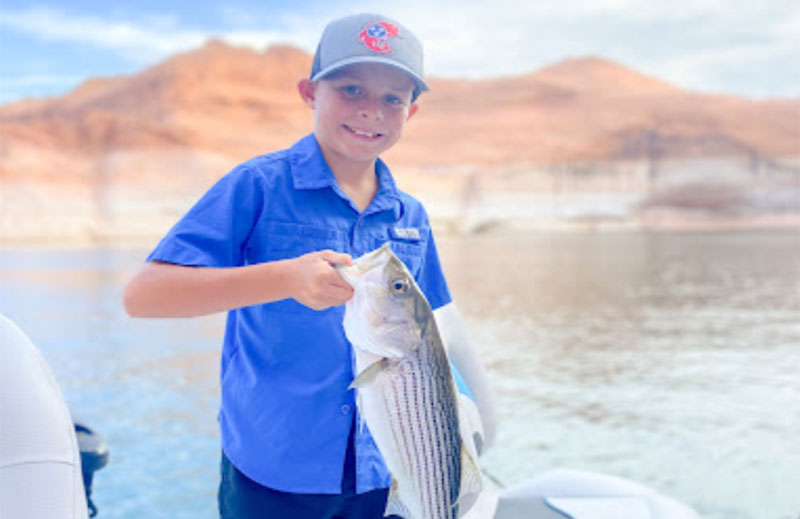
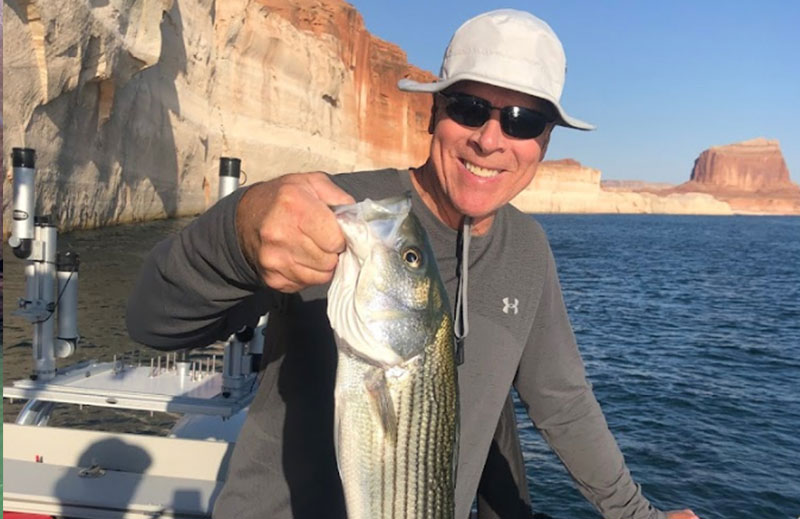
If you’re planning a fishing adventure, there’s simply no match for the experience of booking a Lake Powell guided fishing trip over going it alone. The lake boasts an impressive variety of fisheries, including striped bass, largemouth and smallmouth bass, catfish, crappie, and more. However, pinpointing the most productive spots is highly dependent on factors like seasonality, water levels, and current conditions.

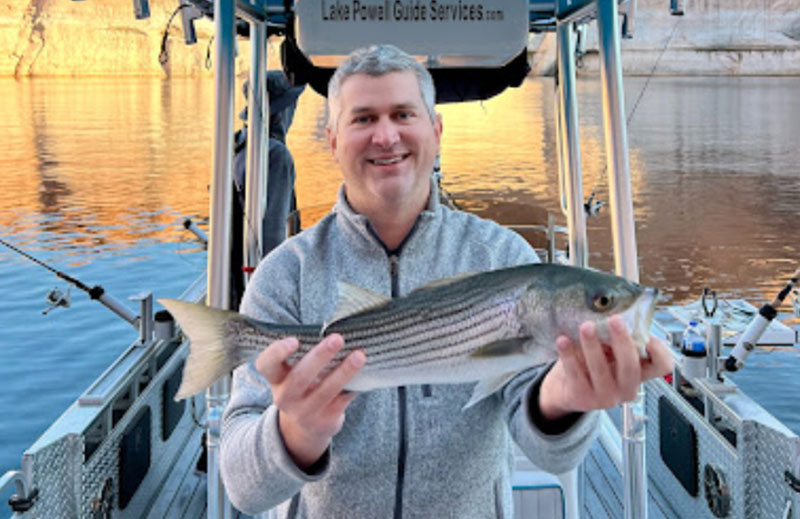
Guides dedicate hundreds of days each year to tracking fish movements. They have an intimate understanding of when stripers are active near the surface or when bass are nestled in submerged brush. They know precisely when deep-water jigging by the dam will yield the best catches. Equipped with top-notch gear and electronics along with refined techniques, they ensure you spend more time reeling in fish rather than second-guessing your strategy.

For families or novice anglers, this expertise is priceless. Even seasoned anglers benefit immensely as it allows them to concentrate on enjoying the thrill of catching fish without being bogged down by scouting or troubleshooting throughout their trip.

Maximize Your Time — No Guesswork Required

Exploring Lake Powell is a rewarding experience, but without the right guidance, it can quickly become time-consuming and frustrating. Many visitors find themselves spending hours searching for the perfect canyon, only to end up lost or at the wrong location. Opting for a guided boat tour ensures that every moment of your adventure is seamless and enjoyable. Your guide expertly manages all aspects of the trip—launching, navigation, timing, and logistics—allowing you to focus solely on enjoying your journey.

Moreover, guides offer invaluable adaptability by adjusting itineraries in real-time based on conditions. If winds pick up in one area, they know exactly where to find calmer waters; if a canyon becomes crowded unexpectedly, they have alternative spots ready to explore. This level of flexibility is something you simply cannot achieve with just a rental boat and a paper map. Choosing a guided tour transforms your Lake Powell visit into an effortless and unforgettable experience.

Insider Scenic Spots and Photo Opportunities

Lake Powell stands as one of North America’s most stunningly photogenic locations, yet its hidden gems aren’t always easy to find. Some of the most breathtaking views are nestled within narrow canyons or demand precise timing to catch the perfect light. That’s where local guides come in—they possess the expertise to lead you to these magical spots at just the right moment, ensuring you capture that enchanting golden glow on sandstone.

These guides can expertly position your boat for flawless shots, suggest the best overlooks, and unveil scenes that extend far beyond those Instagram-famous spots. Whether you’re a dedicated photographer or simply seeking unforgettable memories, their insider knowledge is invaluable and will elevate your experience beyond measure.

Stress-Free Adventure for Families and Groups

Organizing a Lake Powell adventure trip independently can be quite overwhelming, with numerous logistics to manage, such as boat rentals, fuel, permits, safety checks, navigation, and timing. For families or groups, this can quickly become a complex juggling act. Opting for a guided tour eliminates all these concerns effortlessly.

Imagine being able to relax and fully immerse yourself in creating unforgettable memories while your guide expertly handles every detail. They ensure everything runs seamlessly so you can truly savor the magic of the lake—whether it’s witnessing your children spot their first bighorn sheep, watching your partner reel in a striped bass, or sharing laughter with friends as you glide through hidden canyons. Choosing a guided tour means choosing peace of mind and pure enjoyment.

Tailored Adventures for Every Interest

Lake Powell offers a diverse range of experiences, catering to the unique desires of every visitor. Whether you’re seeking a half-day scenic cruise, an intense multi-day fishing adventure, or simply the perfect sunset on the water, guided tours provide the ultimate solution through their customizable nature. A skilled guide will tailor your journey to your priorities, exploring iconic landmarks, indulging in hours of fishing, discovering serene coves for swimming, or planning your route to capture the best light and avoid crowds.

This personalized approach ensures that no two tours are identical, as each group is unique. Such flexibility guarantees that you receive the experience you truly desire rather than settling for a generic outing. Embrace this opportunity to craft unforgettable memories tailored just for you at Lake Powell. 

Safety and Peace of Mind

Lake Powell is undeniably breathtaking, but its remote nature presents challenges that shouldn’t be underestimated. With unreliable cell service in many canyons and rapidly changing weather conditions, navigating the area independently can lead to unforeseen situations. Hiring a guide offers an unmatched level of safety and preparedness. These experts are adept at reading the lake’s conditions, managing sudden changes, and carrying essential equipment for emergencies. This assurance allows you to relax and immerse yourself in the experience truly, confident that you’re under expert care.

The Bottom Line: Experience More, Worry Less

Lake Powell is a breathtaking destination, and to truly appreciate its wonders, experience is key. Opting for guided boat tours elevates your visit from simply beautiful to absolutely extraordinary. These tours offer local expertise, smooth logistics, access to hidden gems, and personalized adventures that allow you to explore the lake as it should be: intimately, leisurely, and memorably.

Whether you’re an experienced explorer or visiting for the first time, Lake Powell guided tours provide unparalleled value in terms of safety and depth of experience. You’ll depart not only with unforgettable memories but also with a deeper appreciation for the lake’s immense beauty and rich stories.

Book Your Lake Powell Adventure Today

At Lake Powell Guide Services, we live and breathe this lake. We’re out here daily, exploring its changing landscapes, following the fish, and uncovering new corners to share with our guests. From scenic half-day excursions to full-day fishing adventures, we tailor every trip to match your interests.

Book your Lake Powell adventure today, and let us show you the side of Lake Powell that most visitors never see. Spots fill quickly, so reserve your guided tour now and make this season unforgettable! 
 

Categories
Fishing Guided Camping

Best Time of Year to Visit Lake Powell for Fishing & Camping

Nestled along the Arizona–Utah border, Lake Powell is an awe-inspiring destination that captivates anglers, campers, and outdoor enthusiasts from across the globe. With over 2,000 miles of stunning shoreline, pristine waters, and red sandstone cliffs that shimmer in the changing light, Lake Powell promises a magical experience year-round. However, to truly maximize your fishing or camping adventure here, timing is crucial.

By understanding the optimal times to visit Lake Powell, considering fishing seasons and camping weather, you can enhance your experience while sidestepping crowds and avoiding unexpected scorching heat or chilly winds that often surprise newcomers. Whether you’re gearing up for a guided fishing expedition or seeking a serene weekend under the stars, this seasonal guide will ensure you choose the ideal time for your unforgettable trip.

Spring (March–May): A Prime Season for Anglers & Campers

Spring is undeniably the ideal season to explore Lake Powell for both fishing and camping. As winter fades away, the warming temperatures create perfect conditions for enjoying extended days on the water or setting up a cozy camp along the picturesque shoreline.

Fishing in Spring

Spring ushers in Lake Powell’s most vibrant fishing season. With water temperatures rising to a comfortable 50–60°F, striped bass, largemouth bass, and smallmouth bass become more active as they move into shallow waters to spawn. This behavior makes them easier targets near rocky shorelines, coves, and canyons.

Striped Bass: Early spring offers an excellent opportunity for trolling deep-diving lures and using anchovies as bait. As spring progresses, stripers migrate toward shallower areas where casting and vertical jigging prove highly effective.

Bass Fishing: During April and May, largemouth and smallmouth bass spawn in shallow waters, providing exceptional sight-fishing opportunities in secluded coves and around submerged brush.

Extra Bonus Tip! Secure a guided fishing charter this spring to master local techniques and uncover hidden gems before summer crowds descend upon the lake. Check out this article to learn more about fishing at Lake Powell.

Camping in Spring

Spring is the perfect time for camping, and here’s why you should consider it. With daytime temperatures ranging from the mid-60s to 80s°F, you’ll enjoy pleasant weather, while cool nights are easily managed with a quality sleeping bag. As snowmelt fills the lakes, fresh sandy beaches emerge—ideal spots for your campsite.

Why Spring Camping is Unbeatable:

  • Experience fewer crowds compared to summer
  • Enjoy the breathtaking beauty of blooming desert wildflowers
  • Relish mild temperatures that make hiking and campfire evenings delightful

It’s important to note that spring storms can appear unexpectedly, bringing gusty winds. By securing your tents and preparing for changing conditions, you’ll ensure a comfortable and enjoyable camping experience. Embrace the unique charm of spring camping!

Summer (June–August): Peak Season for Water Play, Hot Weather for Camping

Summer is undeniably the peak season for water activities and camping, and there’s every reason to embrace it. Lake Powell becomes a hub of excitement with its warm waters and extended daylight, making it ideal for boating, wakeboarding, and swimming. Yet, anglers and campers will find both rewards and challenges during this vibrant season.

Fishing in Summer

While bass fishing might slow down as temperatures rise, striped bass fishing can be spectacular. Imagine witnessing large surface boils where entire schools of stripers create an exhilarating frenzy on baitfish—perfect for topwater action! The prime times to fish are at dawn and dusk when cooler temperatures invigorate fish activity. As the day warms up, deep-water techniques like trolling or jigging in 40–60 feet become essential as stripers retreat to cooler depths.

Camping in Summer

Camping during summer demands some foresight due to daytime highs that can exceed 100°F in July. While the lake offers a refreshing respite from the heat, setting up camp or relaxing midday requires strategic planning.

Get Ready for the Ultimate Summer Camping Adventure

  • Opt for shaded canyons or beaches with natural breezes.
  • Schedule activities for early morning or late afternoon.
  • Ensure you have ample water supply, sun protection gear, and a canopy for shade.

Despite the heat challenges, summer evenings offer enchanting experiences under starry skies with soothing lake sounds and cozy campfires—a truly memorable time for families and groups alike.

Don’t Miss This Insider Tip: For those seeking tranquility away from crowds while still enjoying great weather conditions—early June or late August are perfect choices with fewer visitors than bustling July!

Fall (September–November): The Hidden Gem Season

If you’re looking for the perfect time to visit Lake Powell, fall is your answer. This season offers cooler weather, fewer crowds, and exceptional conditions for both fishing and camping.

Fishing in Fall

Autumn marks a second peak season for fishing, especially for striped bass. As surface water temperatures dip into the 60s, stripers and bass return to shallow waters with a feeding frenzy before winter sets in.

  • Striped Bass: Enjoy consistent action with excellent trolling, casting, and jigging opportunities throughout September and October.
  • Bass: Smallmouth bass are active around rocky points and ledges while largemouth bass seek structure in shallow bays.

October is often hailed as the best month for fishing on Lake Powell. With fewer boats on the water and fish eager to bite, it’s an ideal setting for both casual anglers and dedicated fishers.

Camping in Fall

Lake Powell’s fall camping experience is unparalleled. Daytime temperatures range from 70s–80s°F with comfortably cool nights. The calm lake invites kayaking, paddleboarding, and exploration of narrow side canyons without summer’s bustling crowds.

Why Fall Camping Shines:

  • Warm days paired with crisp nights
  • Fewer insects alongside reduced crowds
  • Stunning sunsets bathed in autumn’s golden light

Bonus: Capture breathtaking photography opportunities as fall’s lower sun angle highlights red cliffs against shimmering water reflections at sunrise or sunset.

Winter (December–February): Quiet Solitude for Diehards

Winter at Lake Powell offers a unique opportunity for those seeking tranquility and solitude, away from the usual crowds. While it may not be the peak season for camping or fishing, with proper preparation, it can be incredibly rewarding.

Consider fishing during this serene time: although fish are less active in colder temperatures, deep-water striped bass fishing remains fruitful. By employing techniques like vertical jigging and slow trolling in depths of 60–100 feet, anglers can enjoy a productive experience.

The advantages are clear: you’ll find quiet coves and exceptional water visibility without the usual hustle and bustle. Of course, there are challenges to consider—cold mornings, chilly winds, and limited daylight hours—but these can be managed with foresight.

For those adventurous enough to camp in winter, it promises a peaceful escape. Daytime temperatures range from 40s to 60s°F while nights dip below freezing; however, equipped with four-season tents, warm sleeping bags, and layered clothing, you’ll find this an unforgettable experience.

Remember that winter storms can arise unexpectedly. Always check forecasts before your trip and plan for extra layers and wind protection to ensure your adventure is both safe and enjoyable. Embrace the quiet beauty of Lake Powell this winter—you won’t regret it!

Plan Your Trip Early

No matter what draws you to Lake Powell—be it the bass spawn of spring, the water fun of summer, the perfect balance of fall, or winter’s solitude—you’re in for unforgettable experiences all year round. To truly maximize your adventure, especially during the bustling spring and fall seasons, it’s wise to secure your guided fishing trips and camping spots early.

Lake Powell Guide Services is here to elevate your journey with expert-led fishing charters, tailored camping recommendations, and invaluable local insights that transform a good trip into an extraordinary one. Our deep knowledge of the lake allows you to focus on creating lasting memories.

Don’t wait—book your Lake Powell fishing trip today and discover why anglers and campers return season after season!

Ready to take your Lake Powell Trip to the Next Level?

At Lake Powell Guide Services, we are committed to ensuring your fishing adventure is exactly what you envision. With our personalized fishing charters, seasonal tips, and expert guidance, we tailor each experience to meet your specific goals. Whether you’re aiming for trophy stripers, seeking scenic shoreline camps, or simply desiring a peaceful escape, our services are designed to fulfill your every need. Trust us to make your trip truly unforgettable.


Categories
Fishing

Lake Powell Fishing Guide: Best Spots, Bait & Seasons for Success

Lake Powell is one of the premier fishing destinations in the Southwest, offering more than 2,000 miles of shoreline and a variety of species for anglers of all skill levels. From striped bass to largemouth, smallmouth, walleye, and crappie, the lake supports strong fishing year-round if you know where to look and what techniques to use.

This Lake Powell fishing guide will walk you through the best fishing spots, recommended bait and lures, and how each season affects your chances for success. Whether you’re a local looking for a refresher or a first-time visitor, these Lake Powell fishing tips will help you get the most out of your trip.

Popular Fish Species in Lake Powell

Before we talk about spots and seasons, it’s important to know what you’re targeting. Lake Powell is home to several game fish, each with its own habits and preferred conditions.

  • Striped Bass (Stripers): Often schooled in large numbers, excellent for anglers looking for consistent action.
  • Largemouth Bass: Found in warmer, shallow waters near vegetation or structure.
  • Smallmouth Bass: Common around rocky shorelines, points, and submerged structure.
  • Walleye: Active in cooler water, often near sandy points or drop-offs.
  • Crappie: Usually found in submerged brush or near structure in spring.

Best Fishing Spots on Lake Powell

While fish can be found across the entire lake, certain areas consistently produce better results. Based on years of guiding experience, here are five of the best fishing spots Lake Powell has to offer.

Wahweap Bay is one of the most convenient and productive spots on the lake, located right near Wahweap Marina. This area offers a mix of rocky points, sandy beaches, and open water, making it a prime location for multiple species. Striped bass schools often move through the bay, especially in summer, and smallmouth bass can be found working along the rocky shorelines. Walleye are also present here, particularly near points and drop-offs. 

During the summer months, anglers should keep an eye out for early morning and evening boils — surface-feeding frenzies where stripers are actively chasing baitfish.

Navajo Canyon is another popular fishing location, especially for smallmouth bass, largemouth bass, and crappie. The canyon’s rocky ledges, submerged structure, and calm coves provide excellent habitat for bass year-round. In the spring, crappie fishing is particularly productive around submerged brush. Soft plastics, crankbaits, and jigs are all effective in this area, especially when worked along the rocky banks.

Its proximity to Page, Arizona, makes Navajo Canyon an ideal choice for anglers looking for a quick day trip without spending hours traveling by boat.

Padre Bay stands out for its expansive open water surrounded by dramatic rock formations. It’s a consistent spot for both striped bass and smallmouth bass. Stripers here often suspend in deeper water, making trolling with deep-diving crankbaits or fishing with anchovy rigs an effective approach. Smallmouth bass can be targeted near the rocky points and along the shoreline. 

Because of its size, Padre Bay offers plenty of space for anglers to spread out, but keep in mind that afternoon winds can make fishing more challenging in the open water.

The San Juan Arm is a more remote fishing destination but well worth the trip for anglers looking for less-pressured waters. Located far from the main marinas, this area is known for abundant structure, vegetation, and diverse habitat. Largemouth bass thrive in the vegetated coves, and walleye hold near sandy points and drop-offs. 

Spinnerbaits and soft plastics work well for largemouth here, while jigging with worms or minnows can produce good walleye catches. The San Juan Arm is best suited for anglers on multi-day trips due to its distance from services.

The Bullfrog and Halls Crossing area is an excellent northern fishing location that offers cooler water temperatures in the summer, which can help keep fish active during the hottest months. The region is known for strong walleye and striped bass action, along with smallmouth bass along the rocky points. 

Points and drop-offs hold walleye early in the day, and trolling or vertical jigging with nightcrawlers is often productive. Because of its location, this area also experiences less fishing pressure than the southern end of the lake, making it a great choice for anglers willing to make the trip.

Best Bait and Lures for Lake Powell

Choosing the right bait is just as important as picking the right location. Here are proven options for each main species.

Striped Bass:

  • Anchovies (cut bait)
  • Spoons (1–2 oz)
  • Deep-diving crankbaits
  • Swimbaits in shad patterns

Smallmouth Bass:

  • Soft plastic grubs or tube
  • Crankbaits mimicking crawfish
  • Drop shot rigs with worms

Largemouth Bass:

  • Spinnerbaits
  • Topwater lures in summer mornings
  • Jigs with trailers

Walleye:

  • Bottom-bouncer rigs with nightcrawlers
  • Jigs with minnows or soft plastics
  • Small crankbaits along drop-offs

Crappie:

  • Small jigs (1/16 oz) with chartreuse or white bodies
  • Minnows under slip bobbers

Seasonal Fishing Patterns on Lake Powell

Lake Powell’s seasons have a major influence on fish behavior. Here’s how to approach each time of year.

Spring (March–May)

  • Water Temp: Rising into the 50s and 60s.
  • Best Species: Largemouth and smallmouth bass move into shallows to spawn. Crappie fishing peaks. Walleye active near points.

Tips: Use slower presentations; mornings can still be cool. Look for bass in 5–15 feet of water near structure.

Summer (June–August)

  • Water Temp: Often mid-70s to low-80s.
  • Best Species: Striped bass schools active in open water; early morning and late evening boils common. 
  • Tips: Topwater lures for bass in early morning; switch to deeper presentations mid-day. Stripers respond to trolling and bait fishing.

Fall (September–November)

  • Water Temp: Cooling into the 60s.
  • Best Species: Bass and walleye feed heavily before winter; stripers school deeper but still bite.

Tips: Crankbaits and spinnerbaits along rocky banks produce well. Look for stripers on sonar in 30–60 feet of water.

Winter (December–February)

  • Water Temp: 40s to low-50s.
  • Best Species: Striped bass remain catchable deep; walleye fishing possible on warmer days.

Tips: Fish slow and deep. Jigs and spoons work well when fish are sluggish.

Additional Lake Powell Fishing Tips

  • Watch the Wind: Afternoon winds are common, especially in open bays. Plan travel and fishing around calmer morning conditions.
  • Use Electronics: A good fishfinder helps locate deeper schools of stripers and walleye.
  • Vary Depths: If you’re not getting bites, adjust your depth before moving spots.
  • Regulations: Always check Utah and Arizona fishing regulations. Lake Powell spans both states, and licenses from either are valid for the entire lake.
  • Safety: Wear a life jacket, especially when moving between locations.

Planning Your Trip

If you’re visiting for a day or two, focus on accessible locations near your marina — Wahweap Bay, Navajo Canyon, and Padre Bay are excellent starting points. For longer trips, consider exploring farther destinations like the San Juan Arm or Bullfrog area for less pressure and unique fishing opportunities.

When possible, time your trip around the species you want to target. For example:

  • For stripers, summer mornings and fall deep-water fishing are most productive.
  • For bass, spring and early summer offer consistent shallow-water action.
  • For walleye, late spring and early fall are peak times.

Summary

This Lake Powell fishing guide covers the essential information you need to locate and catch fish on one of the Southwest’s top fishing lakes. From identifying the best fishing spots Lake Powell offers to knowing which bait and techniques work in each season, preparation is the key to a successful trip.

With these Lake Powell fishing tips in mind — and a little time on the water — you’ll be well on your way to enjoying the variety and excitement that Lake Powell fishing provides year-round.


Categories
Fishing

Striper Fishing at Lake Powell: Tips, Techniques & Best Time to Go

After decades of guiding fishing trips on Lake Powell, I can confidently say that striped bass—commonly called stripers—are one of the most exciting and rewarding fish to target here. Whether you’re a seasoned angler or new to the lake, striper fishing at Lake Powell offers consistent action, impressive fish sizes, and some of the best scenery in the West.

In this guide, I’ll walk you through the basics of Lake Powell striped bass fishing, including the best times to go, techniques that work, gear recommendations, and a few insider tips learned from years on the water.

Why Striped Bass Are So Popular at Lake Powell

Striped bass aren’t native to Lake Powell, but they were introduced decades ago to help control the gizzard shad population. Since then, they’ve thrived. Today, they are one of the most sought-after species in the lake for a few good reasons:

  • They get big. It’s not uncommon to land a 10- to 20-pound fish, and stripers over 30 pounds have been caught in these waters.
  • They fight hard. Stripers are powerful and known for long runs and aggressive strikes.
  • They school up. When you find one, you usually find many, leading to non-stop action.
  • They taste great. If you’re keeping fish to eat, striper fillets are mild, flaky, and delicious.

Stripers are present throughout the lake, from Wahweap and Antelope Point to Bullfrog and beyond. They adapt well to Lake Powell’s deep, clear waters and follow baitfish schools around the lake.

Best Time to Fish for Stripers in Lake Powell

One of the most common questions I get as a guide is, “When is the best time to fish for striped bass at Lake Powell?”

The short answer is: spring and fall are the prime seasons, but with the right approach, stripers can be caught year-round.

Spring (April – June): This is one of the best times to fish for stripers. As water temperatures rise, stripers become more active and begin feeding heavily. You’ll often find them in shallower water, especially in the backs of canyons and near points. This time of year offers excellent topwater and trolling opportunities.

Summer (July – August): Summer brings the heat, and stripers head deeper. Early mornings and late evenings are best. Vertical jigging in deep water becomes the go-to technique. You’ll often find them around 40 to 90 feet deep, especially near the dam and other deep basins.

Fall (September – November): Fall might be the most exciting season for striper fishing thanks to the boils. Boils are surface feeding frenzies where schools of striped bass push shad to the surface and attack them. Watching the water explode with feeding fish is a sight every angler should see. Casting into a boil can lead to fast-paced, aggressive bites.

Winter (December – February): Fishing slows down, but stripers are still catchable, especially with deep jigging techniques. You’ll need good electronics and patience, but the reward can be quality fish without much boat traffic.

Where to Find Stripers on Lake Powell

Stripers move depending on the season, water temperature, and shad activity. Here are a few of my go-to areas:

  • Wahweap & Antelope Point (South Lake): These areas near the dam are great year-round, especially for deep jigging. This is also where the lake’s largest striper on record was caught.
  • Warm Creek Bay: Consistent action in spring and fall. Look for stripers chasing bait in open water or holding off points.
  • Bullfrog & Halls Crossing (North Lake): Offers good deep-water fishing in summer and solid boil activity in fall.
  • Back of Canyons: In spring and early summer, stripers often head into canyons chasing shad. Last Chance, Navajo, and Rock Creek are all productive.

Finding the shad is the key. Stripers follow the food, so keep an eye out for bird activity, boiling water, or use sonar to locate bait schools.

Techniques for Catching Lake Powell Stripers

There are a few methods that consistently produce stripers on Lake Powell. The best technique depends on the season and where you find the fish.

  1. Anchovy Chunking: This is one of the simplest and most effective ways to catch stripers, especially in summer and winter. Drop anchor near structure or in a known striper spot, chum the water with cut anchovy, then fish bait on a hook with little or no weight. Keep your line tight and be ready—stripers often hit hard.
  2. Trolling: Trolling crankbaits or deep-diving plugs works well in spring and early summer when stripers are moving and feeding aggressively. Use downriggers or lead-core line to reach the right depth.
  3. Jigging: Vertical jigging is a go-to during summer and winter. Use spoons, jigs, or soft plastics and target fish marked on sonar. Drop the lure down and jig it up with sharp lifts and drops. This works best in deeper water (40-90 feet).
  4. Casting to Boils: In the fall, keep a rod ready with a surface popper, swimbait, or spoon. When you see a boil, get close (without spooking them) and cast into the frenzy. Retrieve quickly and hold on.

Recommended Gear

Over the years, I’ve found a few setups that consistently perform well on the lake:

  • Rod/Reel: Medium to medium-heavy spinning or baitcasting rods (6’6″ to 7′) paired with a quality reel.
  • Line: 10-20 lb monofilament or fluorocarbon. Braided line is great for jigging or deep trolling.
  • Hooks & Terminal Tackle: Size 2 to 1/0 hooks for bait fishing, 1 oz jig heads, barrel swivels, and a variety of spoons and lures.
  • Lures: Anchovies (fresh or frozen), Kastmaster spoons, Rapala deep divers, topwater plugs like Zara Spooks, and soft swimbaits.

Insider Tips from a Local Guide

  • Stay Mobile: If you’re not getting bites, don’t wait too long. Stripers move, and so should you. Use your fish finder and keep searching.
  • Follow the Birds: Birds diving on the surface are almost always chasing the same baitfish the stripers are.
  • Chum Lightly, But Consistently: When chunking, a steady trickle of anchovy pieces works better than dumping a handful all at once.
  • Watch Water Temps: Stripers become most active between 60-70°F. Adjust your techniques as temps rise or fall.
  • Keep Some, Release the Rest: Lake Powell has an overpopulation of stripers in some years, so keeping your catch helps the fishery. Still, handle fish with care and release those you don’t plan to eat.

Striper fishing at Lake Powell is one of the most rewarding experiences an angler can have. The combination of hard-fighting fish, beautiful scenery, and the potential for non-stop action keeps people coming back year after year. With the right timing, gear, and knowledge, you can have a day on the water you’ll never forget.

If you’re looking to get serious about striped bass fishing on Lake Powell, consider booking a trip with a local guide. I’ve spent years learning the patterns, reading the water, and finding the fish. Whether it’s your first time or your fiftieth, I’d love to help you make the most of your time on the lake.

Book your Lake Powell striper fishing trip today and experience what makes this fishery one of the best in the Southwest.


Categories
Fishing

Biggest Fish Ever Caught in Lake Powell (and How to Catch One)

If you’ve ever fished Lake Powell or dreamed of casting a line there, one thing has probably crossed your mind: what’s the biggest fish ever caught in Lake Powell? Whether you’re a seasoned angler or a weekend participant, it’s natural to get curious—and maybe a little competitive—when it comes to record-breaking catches.

Lake Powell is well-known not just for its incredible red rock scenery and boating opportunities, but for its healthy fish populations and the potential to catch some seriously big fish. In this post, we’re diving into the record fish stories from Lake Powell, the species that grow to jaw-dropping sizes, and tips for how you can increase your chances of catching the next big one.

The Biggest Fish Ever Caught in Lake Powell

Let’s start with the star of the show: the biggest fish ever caught in Lake Powell was a striped bass weighing an incredible 48 pounds, 11 ounces. It was caught in April 1991. This monster striper set the bar high for every angler fishing these waters ever since.

Striped bass, or “stripers,” are among the most popular sport fish in Lake Powell. They can grow big and travel in massive schools, often found boiling on the surface as they chase shad. That world-record catch came from near the dam at Wahweap, which is one of the best-known hotspots for striper fishing.

Other notable catches include catfish weighing over 30 pounds and largemouth bass reaching well over 10 pounds. While not officially record-breaking, many anglers have their own Lake Powell fishing stories about hooking into huge fish in narrow canyons, deep holes, and secluded coves.

What Fish Get the Biggest in Lake Powell?

When we talk about big fish in Lake Powell, three main species usually come up: striped bass, channel catfish, and largemouth bass.

Striped Bass: These are the biggest and most famous of Lake Powell’s sport fish. While most anglers are thrilled to land a 5- to 10-pound striper, fish over 20 pounds are caught every year, especially during spring and fall. They grow large because Lake Powell offers deep, cool water and a massive food supply (especially gizzard shad).

Channel Catfish: Catfish don’t get as much glory, but they sure grow big. Some of the biggest catfish caught in Lake Powell weigh upwards of 30 pounds. They live in deeper, slower-moving waters, and summer nights are the best time to target them.

Largemouth Bass: While not as big as stripers or catfish, largemouth bass can still grow into the double-digit range in Lake Powell. These fish like shallow cover and can be found in the backs of coves, especially during spring spawning season.

Lake Powell Fishing Seasons: When Big Fish Bite

One of the most important parts of catching a big fish in Lake Powell is timing your trip with the right season.

Spring: This is prime time for largemouth and smallmouth bass as they move into the shallows to spawn. It’s also a great time for catching walleye and stripers that are becoming more active as the water warms.

Summer: Early mornings and evenings are best, especially for catfish and topwater bass. Big stripers start to move deeper, but you can still find them if you follow the baitfish.

Fall: Fall is famous for the striper boils—massive feeding frenzies on the surface that can lead to incredible catches. It’s one of the best times of year to hook into a trophy-sized striped bass.

Winter: Fishing slows down in the winter, but dedicated anglers still catch big fish by deep jigging for stripers or slow-rolling baits near structure.

Where to Fish for the Big Ones

There are countless good fishing spots around Lake Powell, but some areas consistently produce bigger fish year after year.

Wahweap Marina & Dam Area: This is where the biggest striper on record was caught. It’s deep, well-oxygenated, and full of baitfish. Anchovy chunking, trolling, and vertical jigging all work well here.

Warm Creek Bay & Padre Bay: These spots are known for holding both large stripers and big bass. During spring and fall, you’ll often see birds working the surface—a sure sign that a striper boil is happening.

Bullfrog Area: If you’re launching from the north end of the lake, the Bullfrog area offers great fishing for catfish, stripers, and bass. Look for deep structure or shallows with vegetation.

Back of Canyons: Narrow side canyons like Navajo Canyon or Last Chance Canyon often hold big largemouth bass and even some surprise catches like walleye or big crappie. These areas are great for flipping, pitching, and working the shoreline.

How to Catch a Trophy Fish in Lake Powell

Catching a record fish takes skill, patience, and a little bit of luck. But there are a few strategies that can give you an edge.

Go Early or Late: Big fish are often most active during low-light hours. Plan to be on the water just before sunrise or stay out until dusk for your best shot.

Use Bigger Baits: If you want to land a giant, you need to tempt them with something worth their effort. Upsize your swimbaits, jerkbaits, or cut bait. Big stripers, for example, won’t waste time on tiny snacks when they could go after a hefty meal.

Follow the Shad: Lake Powell’s food chain depends heavily on shad. Find the bait, and you’ll find the predators. Use electronics to spot schools of baitfish and check areas where birds are diving.

Fish Deep: In the hotter months, big fish go deep. Learn to use your fishfinder, and try vertical jigging in 40-60 feet of water for stripers or walleye.

Use Fresh Bait: For catfish or stripers, fresh cut anchovy or shad is hard to beat. The fresher the bait, the better your odds.

Hire a Local Guide: If you’re serious about catching something big, consider booking a trip with a Lake Powell fishing guide. Local guides know where the big ones hide and can dramatically increase your chances of success.

Lake Powell Fishing Stories

Ask any local or repeat visitor, and you’ll hear all kinds of stories about big fish at Lake Powell. Some are verified, some maybe a little exaggerated, but that’s half the fun. Whether it’s someone who landed a 30-pound catfish on a nightcrawler or a kid who hooked a monster striper on their very first cast, these stories are part of what makes fishing Lake Powell so special.

We’ve heard tales of bass bigger than the scale could read and stripers that snapped lines like thread. One angler told us he fought a fish for nearly an hour, only to have it break off right at the boat. Another swears he saw a striper as long as his kayak cruise under him in Padre Bay.

The best part? You could be the next story. The next record fish Lake Powell gives up might have your name on it.

Local Fishing Regulations and Best Practices

Before you go out hunting for a record fish, make sure you’re up to date with local fishing regulations. Lake Powell stretches across Utah and Arizona, and fishing licenses from either state are valid throughout the lake. Always check for updates on bag limits, bait rules, and seasonal closures.

And of course, respect the lake. Pack out your trash, handle fish carefully, and practice catch and release for any species you don’t plan to keep. Lake Powell is a beautiful and delicate ecosystem that deserves our care.

So, what is the biggest fish in Lake Powell? Right now, it’s that massive 48-pound striper caught back in the ’90s—but that doesn’t mean it can’t be beaten. The lake is full of opportunity, whether you’re chasing stripers, bass, or catfish. With the right knowledge, the right bait, and a little bit of persistence, your next trip could go from average to unforgettable.

If you’re serious about catching a trophy, or just want to explore Lake Powell fishing with expert help, consider booking a guided fishing trip with Lake Powell Guide Services. We fish these waters year-round and know where the big ones like to hide.

Book your Lake Powell fishing adventure today, and maybe your story will be the next legend on the lake.

Categories
Fishing

Top Fish Species in Lake Powell: What’s Biting and When

Fishing at Lake Powell isn’t just a hobby—it’s an adventure. With crystal-clear waters surrounded by dramatic red rock canyons, it’s one of the most unique freshwater fishing destinations in the United States. Whether you’re an experienced angler or just looking to try something new, knowing what fish are in the lake and when they’re most active can make all the difference. In this guide, we’ll walk you through the most popular fish species in Lake Powell, their habits, peak seasons, and tips for catching them.

Striped Bass

Striped bass, often referred to as stripers, are the most popular sport fish in Lake Powell. Originally introduced to help control the gizzard shad population, these powerful fish have thrived in the lake’s deep waters. They’re known for their size, aggressive nature, and the thrilling challenge they provide to anglers. During the spring and fall, stripers can be seen chasing schools of shad near the surface in what’s known as a “boil”—a frenzy of fish activity that creates a truly exciting fishing experience.

You’ll typically find them schooling in open water or near ledges, deep canyons, and submerged structures. Many anglers use anchovies, spoons, or swimbaits to attract them. A good tip is to watch for diving birds, which can signal that a boil is happening below the surface. Striper fishing is productive from spring through fall (July to October) and provides plenty of action for those who come prepared. 

Largemouth Bass

Largemouth bass are a favorite for anglers who enjoy casting into shallow, warmer areas of the lake. These fish are famous for their powerful topwater strikes and are most active from late spring to early fall. They tend to prefer calm coves with brushy cover or rocky points, where they can ambush their prey. Largemouth are often found closer to shore and in shallower water compared to other bass species. You can find yourself catching many bass in Lake Powell if you come prepared! 

Fishing for largemouth bass is especially enjoyable early in the morning or during the evening hours. Soft plastic worms, crankbaits, and topwater lures are effective options. These fish are both fun to catch and an excellent way to introduce someone new to sport fishing.

Smallmouth Bass

Smallmouth bass are one of the most abundant sport fish in Lake Powell and are highly prized for their fight and feisty behavior. These bass thrive along rocky shorelines and in clear water, making them a common catch throughout the lake. They are aggressive feeders and often travel in groups, so once you find one, there are usually more nearby.

They’re typically located along rocky banks, drop-offs, and ledges in water ranging from 10 to 30 feet deep. Tube jigs, jerkbaits, and small crankbaits are all excellent choices when targeting smallmouth. They are especially active from spring through fall, and anglers using light tackle will enjoy a thrilling fight.

Channel Catfish

Channel catfish may not get as much attention as bass or stripers, but they’re a popular catch among anglers looking for a laid-back and rewarding fishing experience. These fish are more active in the summer, especially during the evening and nighttime hours, and are known for their excellent taste.

You’ll often find channel catfish in shallow coves, sandy flats, or muddy-bottomed areas of the lake. They respond well to a variety of baits, including stink bait, chicken liver, and shrimp. Fishing for catfish requires a bit of patience, but the payoff can be well worth it.

Bluegill

Bluegill are small but spirited fish that offer a great way to get kids or beginners into fishing. These panfish are usually found in groups and are most active during the warmer months of spring and summer. They are aggressive feeders and can provide nonstop action when they’re biting.

Look for bluegill in shallow, weedy areas or near docks and submerged brush. Worms, small jigs, and crickets on light tackle are all you need to catch them. While they may not be the biggest fish in the lake, they’re certainly among the most fun to catch.

Walleye

Walleye are more elusive than some of the other species in Lake Powell, but their excellent flavor makes them a prized catch. These fish prefer cooler temperatures and low-light conditions, making dawn, dusk, and overcast days the best times to fish for them. They tend to stay deep, often found around drop-offs, points, or submerged structures.

Walleye fishing is best in the spring and fall. Anglers targeting them often use bottom bouncers, jigging spoons, or live nightcrawlers. Because they have excellent eyesight, subtle presentations often work best, especially when the water is clear.

Crappie

Crappie aren’t as common in Lake Powell as other species, but they’re still worth pursuing, especially during the spring spawn. These fish group around submerged structures and are typically found in shallower water during the spawning season.

Anglers targeting crappie use small jigs, minnows, or feathered lures and fish around submerged brush or timber. A light setup and a bit of patience go a long way with crappie fishing.

Northern Pike (Rare)

Northern pike are not native to Lake Powell and are rarely caught, but they do occasionally show up in anglers’ nets. These large, aggressive predators prefer cooler, vegetated areas and tend to be found in the spring.

If you’re targeting northern pike, large swimbaits, spoons, or jerkbaits are your best bet. Be sure to use a steel leader to prevent bite-offs, as these fish have sharp teeth and strong jaws.

Carp

Carp are common in Lake Powell but are typically not targeted by sport anglers. However, they offer a strong fight and can be caught using simple baits. Some anglers also enjoy bowfishing for carp in shallow, muddy flats during the warmer months.

To catch carp with a rod and reel, use corn, dough balls, or bread. These fish are usually found in shallower areas, especially where the water is muddy and warm.

Fishing Seasons at Lake Powell

Each season brings different fishing opportunities at Lake Powell. In the spring, bass, walleye, and stripers become more active as the water warms and fish move into shallower areas. Summer offers topwater bass action and excellent catfishing, though early morning and evening are the most productive times to fish. Fall is a favorite among locals for its striped bass boils and cooler temperatures that trigger heavy feeding behavior across many species. Winter fishing slows down, but deep jigging for stripers and walleye can still be successful with a little patience.

Whether you’re after trophy stripers or introducing your kids to bluegill fishing, Lake Powell offers something for every angler. Knowing the different fish species and when they’re most active helps you plan smarter and fish better. Book a guided fishing trip with Lake Powell Guide Services to maximize your success, access hard-to-reach spots, and learn from local experts who fish these waters year-round.

Ready to cast your line? Let’s go fishing!