Categories
Uncategorized

Lake Powell Water Levels: What Visitors Need to Know

When planning a trip to Lake Powell, one of the most crucial questions you can ask is: “What are the current water levels?” This inquiry is not only wise but necessary. For years, Lake Powell’s fluctuating water levels have impacted everything from boat ramp access and fishing conditions to campsite locations and scenic views. It’s vital for anyone visiting the lake—not just locals or avid anglers—to understand these changes. Whether you’re setting off on a houseboat adventure, casting your line in secluded canyons, or pitching your tent along the shoreline, being informed about water levels will ensure that your trip is smoother, safer, and far more enjoyable.

A Quick Primer on Lake Powell’s Water System

Lake Powell, an integral part of the Colorado River Reservoir System, is a crucial resource created by the Glen Canyon Dam in 1963. Spanning nearly 186 miles, it plays a vital role in generating hydropower and supplying water to communities throughout the Southwest. Unlike natural lakes, Lake Powell’s water levels are subject to significant fluctuations due to snowmelt, inflows from the Upper Colorado River Basin, and federal water management policies.

Typically, we see water levels rise in late spring and early summer as snow melts from the Rocky Mountains. By late summer into fall, these levels stabilize or decline before reaching their lowest point in winter. However, recent challenges such as long-term droughts, reduced snowpack, and increased evaporation have disrupted this cycle. These changes have made Lake Powell’s conditions more unpredictable and dynamic within a single season.

Given these factors, it’s imperative that we recognize Lake Powell’s importance not only for its immediate benefits but also for its role in sustaining our future needs. By understanding these dynamics and supporting sustainable practices around this reservoir system now more than ever ensures that it continues to serve us effectively amidst changing environmental conditions.

Why Water Levels Matter to Visitors

For travelers, understanding water levels is crucial because they significantly impact your lake access, camping options, fishing spots, and overall experience.

Boat Ramp & Launch Access

One of the most significant effects is on boat ramps. While some ramps remain operational throughout the year, others become too shallow during low water periods. For instance, Wahweap and Bullfrog ramps are carefully monitored and adjusted with temporary extensions when needed. However, smaller ramps inside canyons may become completely inaccessible during late summer or dry years.

Experienced boaters always check the latest Lake Powell water updates before their trip. Launching at low water requires different trailer angles and sometimes longer waits or specialized equipment. If you’re planning to bring a houseboat or larger vessel, knowing the ramp status in advance can prevent logistical challenges—or worse yet—discovering upon arrival that your intended launch site is unusable.

By staying informed about current conditions, you ensure a smoother and more enjoyable adventure on the lake. 

Shoreline Camping

Fluctuating water levels have a significant impact on shoreline camping, and understanding these changes can greatly enhance your experience. When the lake is high, the beaches become narrower or even submerged, limiting camping spots along the water’s edge. However, when water levels drop, they reveal expansive sandy areas that offer stunning and secluded campsites previously hidden underwater.

Regular visitors often highlight the unique charm of camping during low water periods. Imagine setting up your tent on soft sand with majestic canyon walls as your backdrop—far from crowded marinas. Although these spots might require a bit more effort to reach for swimming or kayaking due to their distance from the current waterline, they provide unparalleled tranquility and beauty.

By staying informed about water level trends, you can select a campsite that perfectly matches your group’s needs—whether you prioritize privacy, convenience, or capturing that breathtaking sunrise view. Make informed choices to ensure an unforgettable camping adventure. 

Fishing Conditions

For anglers, understanding Lake Powell’s water levels is crucial to mastering your fishing strategy. These fluctuations aren’t just background details; they directly influence fish behavior, spawning zones, and habitat structures. As water rises in spring, submerged brush offers perfect cover for bass and crappie, resulting in thrilling shallow-water action.

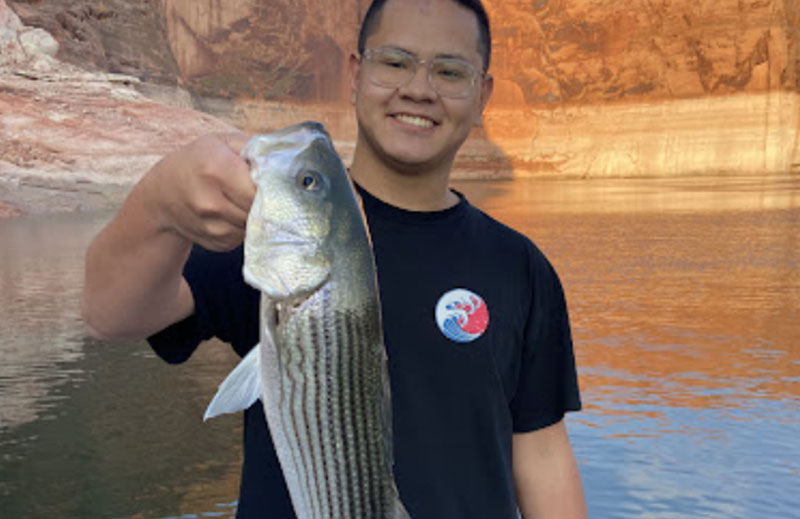
Conversely, during lower water conditions, fish tend to gather in narrower channels and deeper structures. This is when electronics and local knowledge become essential tools. In late summer drawdown periods, striped bass often form tight schools in deep waters—ideal for vertical jigging and trolling.

Experienced guides who navigate the lake daily adapt their techniques to these changes. One week might be perfect for casting spinnerbaits into flooded brush; the next could require tracking stripers 60 feet deep near the dam. By aligning your approach with these natural shifts, you can significantly enhance your fishing success at Lake Powell.

Scenic Experience & Navigation

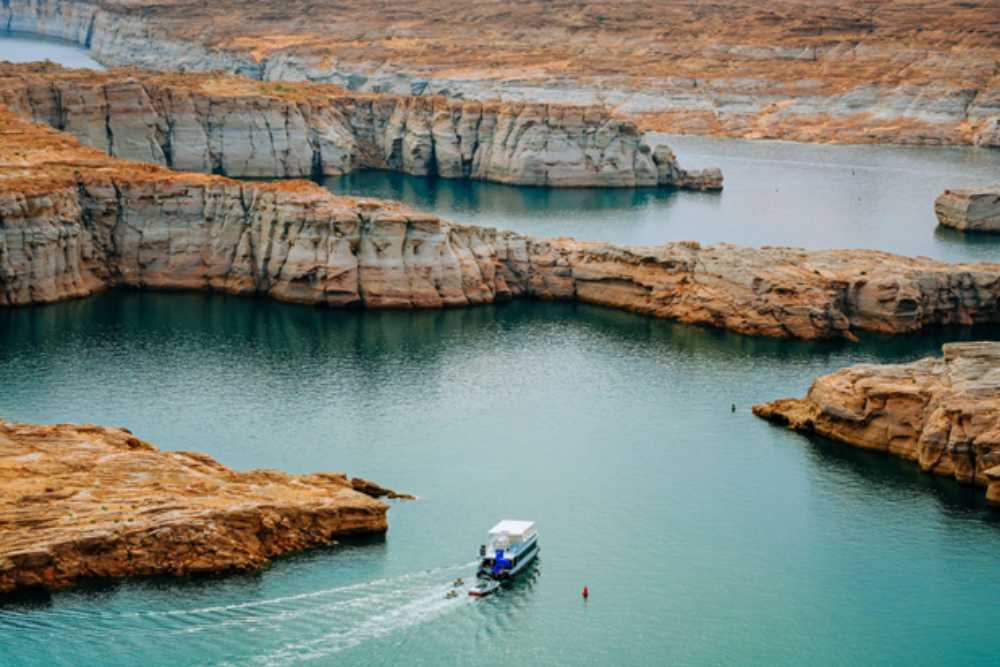
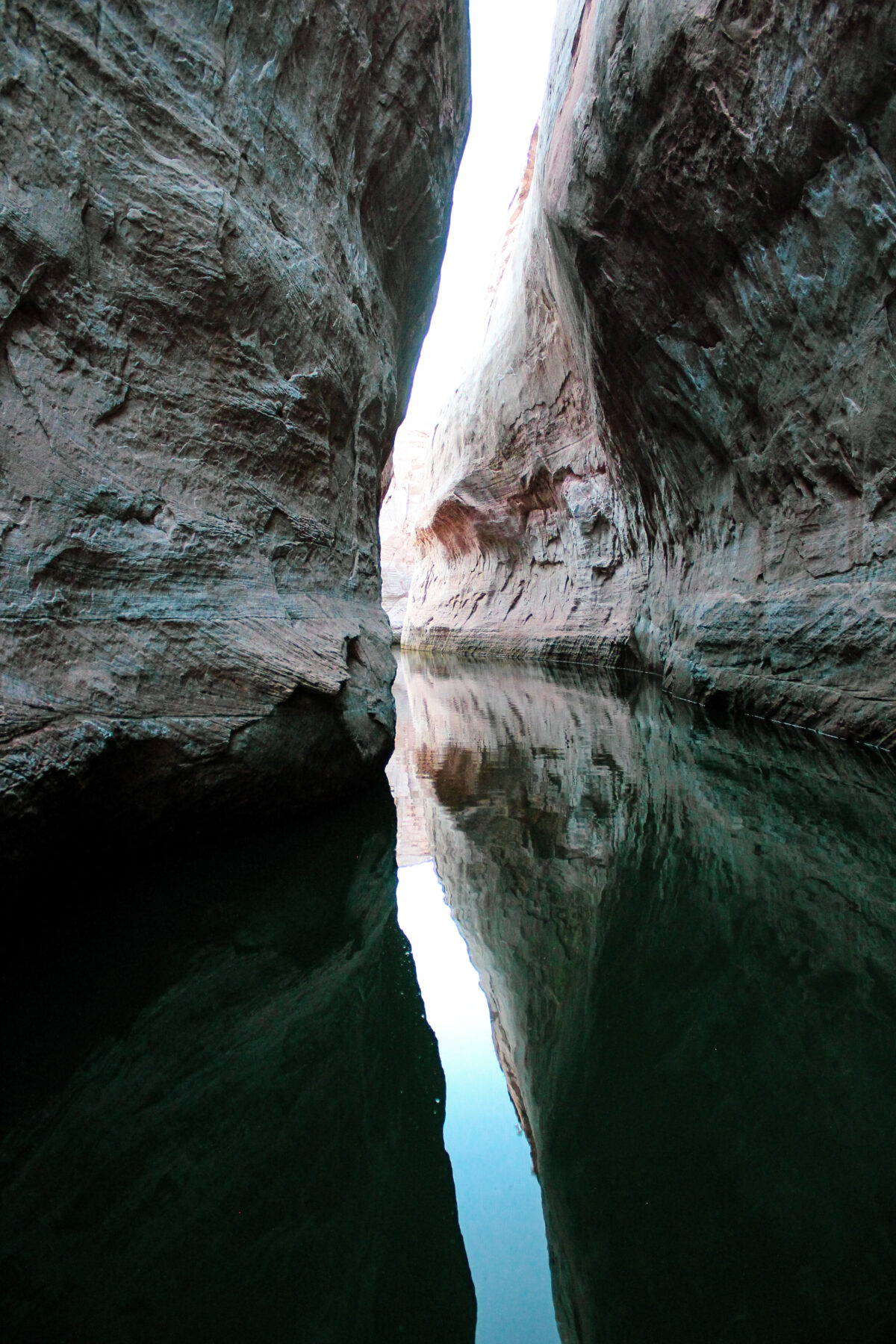
Experiencing the landscape of Lake Powell is profoundly influenced by water levels, offering unique opportunities that you won’t want to miss. When water levels are high, narrow side canyons become accessible for kayaking and scenic boat rides, providing an exhilarating way to explore these hidden gems. Conversely, lower water levels unveil new rock formations, alcoves, and beaches—transforming familiar routes and uncovering parts of the canyon that have been submerged for decades.

Navigationally speaking, lower waters reveal rock outcroppings and narrow some channels. Boaters must remain vigilant by watching for markers and using updated maps or GPS systems. Those who know the lake well often find joy in these changes; each season presents a fresh perspective on the breathtaking beauty of Lake Powell. 

Seasonal Water Patterns: What to Expect

While no two years are exactly the same, there are general seasonal patterns visitors can use for planning:

Spring (March–May): Levels begin rising as snowmelt starts. Ramps reopen, fishing improves, and beaches are often still expansive from winter drawdown.

Summer (June–August): Water levels are typically at their highest. It’s great for boating, exploring side canyons, and accessing remote areas. Ramps are busiest, and popular spots can fill up.

Fall (September–November): Levels stabilize or gradually drop. It’s excellent for fishing, quieter camping, and scenic exploration. Many consider fall the sweet spot for both weather and conditions.

Winter (December–February): The lowest levels usually occur during this period. Some ramps may close or have limited access. The lake is quiet, offering a solitary experience for those prepared for colder weather.

Understanding these rhythms can help you time your visit to match your priorities—whether that’s easy boat access, prime fishing, or serene camping away from the crowds.

How to Check Current Lake Powell Water Updates

The Bureau of Reclamation provides daily updates on Lake Powell water levels, including the current elevation, inflows, and release data. 

The National Park Service also posts real-time ramp conditions, closures, and visitor alerts. 

For anglers, the Utah Division of Wildlife Resources and Arizona Game & Fish offer regular fishing reports that include Lake Powell conditions, water temperatures, and fish activity updates.

Checking these sites before your trip gives you the most accurate picture of what to expect—and allows you to make adjustments as needed.

Insider Tips for Navigating Changing Conditions

Longtime Lake Powell visitors and guides develop a rhythm with the water, emphasizing that flexibility is key. Arriving with rigid expectations about a specific campsite, ramp, or fishing spot can be unsettling. However, embracing seasonal shifts and planning with accurate information often reveals unexpected gems. 

For example, some of the most spectacular camping experiences occur at lower water levels when broad beaches emerge beneath towering cliffs. Anglers know that late summer drawdowns can concentrate fish, leading to some of the hottest striped bass action of the year. Boaters who monitor water level updates often discover quiet side canyons and hidden alcoves that most tourists miss. The lake constantly changes—but that’s part of its magic. No two trips are exactly alike, and understanding water levels helps you adapt to what the lake has to offer at any given time.

The Bottom Line

Whether you’re visiting Lake Powell for the first time or are a seasoned explorer, monitoring the water levels is crucial to ensuring a smooth and memorable trip. These levels impact everything from access and safety to fishing, camping, and the overall character of your experience. With some planning and flexibility, you can enjoy the lake no matter its level.

At Lake Powell Guide Services, we’re on the water every week. We keep up with current conditions, track seasonal changes, and adjust our fishing strategies and trip recommendations accordingly. Whether you’re planning a family camping trip, a houseboat adventure, or an intense fishing charter, we can help you navigate this dynamic landscape with confidence.

Book your Lake Powell adventure today! Let our local expertise guide you through the ebb and flow of this remarkable place for an unforgettable experience.

 

Categories
Uncategorized

Fall Fishing at Lake Powell: Seasonal Shifts & Changes

If summer’s heat has you staying indoors more than you’d like, fall on Lake Powell is calling. As temperatures drop and crowds thin out, the fish change their behavior—and if you know where to look and how to adapt, some of the best fishing of the year is just around the corner. Here’s what changes in the fall and how to take advantage of it.

What We Mean by “The Drop-Off”

In fishing circles at Powell, “the drop-off” refers both to the lake’s physical structure and the shift in fish behavior when summer ends.

Physically: Drop-offs are steep underwater slopes transitioning from shallow to deeper areas. Fish often patrol or linger near these edges because they offer quick access to both feeding zones (shallow, warmer water) and retreat zones (deeper, cooler water).

Seasonally: After summer, water temperatures begin cooling, daylight shortens, and fish shift from surface feeding to deeper water or more stable thermal zones. This behavioral “drop-off” means you’ll need different gear, tactics, and mindset.

Learn more about fishing during seasonal transitions here. 

Seasonal Transitions: What’s Different in Fall

Here’s what changes around Lake Powell as fall approaches:

Water Temperature & Depth: As surface waters cool, fish leave warm flats and shallow areas, moving toward deeper, more thermally stable waters. Look for species near drop-offs or submerged structures where the depth gradient offers shelter and access to prey.

Fish Feeding Patterns: Fish feed more aggressively in fall as they prepare for colder months. For many species like striped bass, walleye, and bass, there’s a brief period of intense feeding—shad and smaller baitfish are on the move, and fish follow. You’ll often see them schooling or chasing near drop-offs or feeding flats.

Species Behavior Changes

Striped Bass (Stripers): Move deeper, suspending near drop-offs or submerged ridges. Boils (surface feeding frenzies) may still occur early in fall, especially when baitfish are abundant.

Bass (Largemouth & Smallmouth): Follow baitfish into deeper pockets and structures. Early fall may still see shallow action, especially around shade and cover, but as the water cools, expect them to be more conservative.

Walleye & Others: More active in low light or deeper water, especially around drop-offs or ledges. Patience is needed.

Learn more about the fish species Lake Powell has to offer

Daylight, Weather & Conditions: Shorter days mean less time for topwater fishing; early morning and dusk become prime times. Cooler nights cool the water from the top down, improving clarity. Weather (wind, storms) can sharply affect water surface and baitfish movement. Clear, calm mornings often provide the best action.

What to Bring: Effective Gear and Techniques

Here are guide-level tips for adjusting your rig, bait, or strategy for fall fishing at Lake Powell:

  • Use deeper setups: Try drop shot rigs, vertical jigging, or suspending bait near drop-offs (30-60 feet or more, depending on the species). 
  • Baits & lures: Use shad imitation crankbaits, spoons, spinners, and soft plastics that mimic baitfish. For stripers, use anchovies or cut bait when available. Irregular retrieve speeds, with pause-and-go, often trigger strikes. You can buy these here
  • Structure & drop-offs: Look for submerged reefs, rocky points, and old creek channels. Fish often move along these structures midday, staging around edges. 
  • Time of day matters: Early morning, late afternoon, and just before dusk tend to produce more bites. Cooler parts of the day are better for stripers too. Overcast or calm days can extend feeding windows.

Where to Fish in Fall at Lake Powell

Here are good zones to focus on as fall settles in, especially for guided fishing or for those willing to explore a bit.

Location Why It’s Good in Fall
  • Main lake drop-offs and channel edges
  • Cooler water, deep structure, often holds stripers and walleye staging for feeding.
  • Canyons with submerged structure
  • Provide refuge as water cools; fish often move among canyons chasing baitfish.
  • Shallow coves & backwaters early in morning / late evening
  • Especially in early fall—when water still warms in the sun, fish will probe shallow edges for bait.
  • Near baitfish schools (where you see movement or boil activity)
  • Often best places for stripers, especially just as temperatures are falling.


What to Expect in Terms of Numbers & Challenge

Fishing is generally more challenging than in summer when it comes to locating active fish, but once you find them, the strikes can be excellent. Be prepared to cover more water early in your trip unless you have good sonar or fish-finding technology, or access to local guide knowledge. Additionally, fall weather can change quickly—wind, storms, or drastic temperature drops can cause fish to move deeper or stop feeding entirely for certain periods.

Why Fall Might Be the Best Kept Secret

Cooler weather makes spending time on the water more enjoyable. With less fishing pressure, fewer boats mean calmer waters and less spooked fish. Fall also offers unique photography opportunities and scenery with vibrant colors, still reflections, and beautiful light at dawn and dusk. Many fish species are trying to bulk up before winter, making them more aggressive and less picky.

Cold Tip: When the temps drop, local knowledge matters. Lake Powell Guide Services has your back and your line.

If you’re not familiar with how fish move in Powell during fall, hiring a guide can greatly improve your odds. Guides know current depth shifts, structure, local baitfish migration paths, and where to expect stripers to drop into deeper water as the days cool.

Reel in the Adventure: Your Ultimate Fall Fishing Takeaway!

Fall fishing at Lake Powell isn’t just a second choice to summer—it’s a unique experience with its own rewards. The water is cooler, the fish are feeding actively, and every cast offers a chance for something special. Adjust your tackle, focus on structure and drop-offs, and treat early morning and dusk as prime times. Whether you’re targeting stripers, bass, or walleye, fall might become your favorite season on the lake.

Ready to head out? Book with Lake Powell Guide Services, and let’s discover where the fish are this fall. Tight lines!


Categories
Uncategorized

Lake Powell Without the Crowds: Winter & Early Spring Guide

Most people picture Lake Powell as a summer hotspot filled with houseboats, wakeboards, and jet skis. And while summer is certainly the busiest season, it’s far from the only time to enjoy the lake. Winter and early spring transform Lake Powell into a serene, crowd-free escape—ideal for fishing, hiking, photography, and peaceful exploration.

If you’re planning an off-season trip, you might be wondering: What changes in winter and spring? What’s still open? What should I expect? This guide answers all your questions and shows why the cooler months might just be the best-kept secret of Lake Powell.

What Changes in Winter and Early Spring

Weather & Temperature

  • Winter Days: Cool, typically in the 40s–50s °F. Nights can dip below freezing, so warm layers are a must.
  • Early Spring: By March and April, daytime temps climb into the 60s and 70s—perfect for hiking, fishing, and exploring without summer’s scorching heat. 

Water Levels & Conditions

Fewer visitors mean calmer waters. Without the constant churn of houseboats and speedboats, Lake Powell’s surface often looks like glass, creating:

  • Ideal conditions for paddleboarding and kayaking.
  • Reflection photography opportunities are rarely possible in peak season. 

Services & Access

Some services adjust for the off-season:

  • Marinas: Wahweap and Antelope Point typically remain open but with shorter hours.
  • Boat Rentals & Fuel: Limited in winter—always call ahead.
  • Road Access: Snowstorms can temporarily impact routes to boat ramps. 

Wildlife Activity

Winter and spring bring unique opportunities for wildlife lovers:

  • Migrating birds, including waterfowl and raptors.
  • Easier spotting of deer, bighorn sheep, and coyotes along the quieter shorelines.
  • Softer, low-angled light for photographing both landscapes and wildlife. 

📖 For seasonal updates on Glen Canyon and Lake Powell conditions, check the National Park Service Glen Canyon Recreation Area.

What’s Still Open

Lake Powell doesn’t shut down in the off-season—many experiences remain available year-round.

  • Marinas: Wahweap and Antelope Point usually stay open, offering fuel, slip rentals, and limited supplies.
  • Fishing: Cooler waters are prime for striped bass, walleye, and crappie—many anglers prefer winter for this reason.
  • Hiking & Slot Canyons: Trails and canyons like Antelope Canyon remain accessible all year, and the cooler air makes them far more comfortable to explore.
  • Camping: Primitive camping is available year-round. Developed campgrounds often remain open but with reduced services. 

What to Expect if You Visit

Bring Layers

Mornings and evenings can be cold, but afternoons often warm up nicely. Pack clothing you can easily layer.

Plan Ahead

Because some marinas and services reduce hours, always double-check fuel availability, boat rentals, and dining options.

Enjoy the Solitude

This is the time for peaceful trips—quiet canyons, empty trails, and wide-open views. Without the summer bustle, you’ll feel like you have the lake all to yourself.

Why Visit in Winter or Early Spring?

Here’s why off-season might be the best season at Lake Powell:

  1. Fewer Crowds = More Serenity
    Imagine paddling through Antelope Canyon without another soul in sight or photographing Lone Rock at sunrise with no boats in the frame.
  2. Cooler Temps for Outdoor Adventures
    Hiking, fishing, and exploring are far more comfortable in 60–70°F weather compared to triple-digit summer heat.
  3. Unique Photography Opportunities
    Winter skies bring dramatic clouds, softer light, and stunning reflections on calm water.
  4. Fishing at Its Finest
    Fish are more active in cooler water, giving anglers some of the best chances of the year to catch striped bass and walleye. 

📖 See seasonal fishing forecasts from the Utah Division of Wildlife Resources.

Activities to Try in Winter & Spring

  • Fishing Trips: Great action with fewer boats competing for spots.
  • Photography Tours: Crisp air and soft light create extraordinary photo opportunities.
  • Kayaking & Paddleboarding: Calm waters in off-season months are perfect for paddling.
  • Camping Under the Stars: Cold nights bring clear skies, ideal for stargazing and astrophotography. 

Looking for a custom trip? Lake Powell Guide Services offers guided fishing, photography, and canyon adventures year-round.

Planning Your Off-Season Trip

  • Best Time: December–March for solitude, March–April for milder temps.
  • Trip Length: Plan at least 2–4 days to explore different canyons and enjoy relaxed activities.
  • Gear Checklist: Layers, cold-weather camping gear, extra food and fuel, and camera equipment.
  • Travel Logistics: Nearby airports include Page, AZ, and Flagstaff, AZ. Winter driving conditions may apply, so plan accordingly. 

Experience Lake Powell Like Never Before

Visiting Lake Powell in winter or early spring is about more than just skipping the crowds—it’s about experiencing the lake in a way most visitors never do: quiet, calm, and breathtakingly beautiful. With a little preparation, you’ll discover a side of Lake Powell that feels entirely new.

The off-season is the hidden season—and it just might become your favorite.


Categories
Uncategorized

Discover Your Next Adventure: Planning the Perfect Trip to Page, AZ

If you’re looking for an unforgettable adventure, look no further than Page, Arizona. Nestled at  the heart of some of the most breathtaking natural wonders in the United States, Page is a  haven for outdoor enthusiasts and explorers. From the iconic landscapes of the Grand Canyon  to the shimmering waters of Lake Powell, there’s something for everyone in Page. Here’s  everything you need to know about booking your next trip to this remarkable destination. 

 Why Visit Page, AZ?  

Page, Arizona is your gateway to some of the most stunning and diverse landscapes in the  Southwest. Whether you’re planning a family vacation or a solo adventure, Page offers a myriad  of experiences waiting to be discovered. 

– Lake Powell: As one of the largest man-made reservoirs in the U.S., Lake Powell is a must visit for water lovers. Enjoy activities like boating, photography, and fishing while surrounded  by striking red rock scenery.

– Antelope Canyon: Marvel at the stunning natural formations of Antelope Canyon, renowned  for its wave-like structures and light beams that create a photographer’s paradise. 

– Horseshoe Bend: Witness the breathtaking views of Horseshoe Bend. This iconic viewpoint  of the Colorado River is an ideal spot for those looking to capture the perfect sunrise or sunset. 

– Glen Canyon National Recreation Area: Explore over 1.2 million acres of diverse landscapes,  offering opportunities for Fishing, hiking, and immersing yourself in the serene natural  surroundings.

 Tips for Booking Your Trip  

  1. Plan Ahead: Due to the popularity of attractions like Antelope Canyon and Horseshoe  Bend, it’s wise to book trips and accommodations in advance to ensure availability. 
  2. Choose the Right Season: The best times to visit Page are in the spring (March to May) and  fall (September to November) when the weather is mild and enjoyable for outdoor activities. 
  3. Hire a Local Guide: To enhance your experience, consider booking trips with local guide  services who can provide deeper insights into the area’s geology and history, ensuring you  don’t miss any hidden gems. Book with Lake Powell Guide Services for your best experience. 
  4. Stay in Comfort: There are plenty of accommodation options ranging from cozy bed-and breakfasts to luxurious resorts. Choose one that fits your budget and preference for a pleasant  stay. 

 Where to Eat in Page, AZ  

After a day of exploring, indulge in local dining options that offer Southwestern and Native  American cuisines. Popular spots include Big John’s Texas BBQ for hearty meals and Fiesta  Mexicana for authentic Mexican flavors. 

 Make Memories That Last a Lifetime  

Embarking on a trip to Page, Arizona, is more than just a vacation—it’s an exploration of some  of the most beautiful natural landscapes in the world. Whether you’re kayaking through Lake  Powell’s canyons or standing in awe at the sheer scale of Horseshoe Bend, Page promises an  experience filled with adventure and beauty. 

For more information on planning your trip, or to book trips and accommodations, visit our  website www.lakepowellguideservices.com or contact our team today 406-880-2301. Your  adventure in Page, AZ awaits! 

— 

With these useful tips and insights, you’re all set to start planning the ultimate getaway to Page,  Arizona. Whether it’s for a relaxing retreat or an action-packed adventure, Page offers it all.  Secure your trip today and dive into the wonders of this Southwestern gem!

Categories
Uncategorized

Fall Fishing at Lake Powell: The Perfect Adventure After Your Antelope Canyon Tour

If you’re planning a visit to Page, Arizona, this fall, chances are Antelope Canyon is high on your list of must-see attractions. This world-famous slot canyon, with its breathtaking play of light and shadow, is an unforgettable experience. But did you know that after marveling at the canyon’s natural beauty, you can continue your adventure on the water with an incredible fall fishing trip on Lake Powell? Here’s why fall fishing at Lake Powell is the perfect way to cap off your day.

1. The Perfect Season

Fall is one of the best times to fish on Lake Powell. The summer crowds have thinned, and the temperatures are cooler, creating a more relaxed, peaceful experience. The water remains warm enough to encourage active fish, and the crisp air adds to the comfort, making it ideal for both beginners and seasoned anglers.

2. Diverse Fish Species

Lake Powell is home to a variety of fish species, making it a prime destination for anglers of all skill levels. Fall is a great time to target species such as striped bass, smallmouth bass, largemouth bass, and walleye. The cooler waters bring the fish closer to the surface, increasing your chances of success.

3. Scenic Beauty

Lake Powell’s stunning landscape, with its red rock cliffs and sparkling blue waters, is the perfect backdrop for a day on the water. Fall adds a special touch, with golden hues from the changing season creating a picture-perfect setting. After exploring the sandstone formations of Antelope Canyon, a serene fishing trip on the lake gives you a chance to unwind while still soaking in the region’s natural beauty.

4. Guided Fishing Trips for All Skill Levels

At Lake Powell Guide Services, we offer guided fishing trips that cater to everyone from first-time anglers to experienced fishermen. Our knowledgeable guides know the best spots to fish during the fall season and can provide all the gear and tips you need for a successful outing. Whether you’re looking to learn the ropes or refine your technique, our team is here to help
you reel in the catch of the day.

5. A Relaxing End to Your Day

After the adventure of exploring Antelope Canyon, fishing offers a more laid-back yet equally fulfilling experience. Picture yourself casting a line, surrounded by the quiet beauty of the lake, reflecting on the day’s earlier excitement. It’s the perfect way to wind down and appreciate all that this unique area has to offer.

Plan Your Perfect Fall Fishing Trip Today

Fall fishing at Lake Powell is a must-do experience for anyone visiting Page, Arizona. Whether you’re planning to combine it with an Antelope Canyon tour or simply looking for an unforgettable fishing trip, Lake Powell Guide Services has you covered. Book your guided fishing trip today and experience the best of Lake Powell this fall.

Lake Powell Guide Services provides the best fishing service!

Your expert guides for unforgettable fishing experiences on Lake Powell.

Categories
Uncategorized

4 Reasons Lake Powell is Great for Families

Exploring Lake Powell is a perfect activity for people of all ages. If you’re planning a family trip in the upcoming year, why not make Lake Powell your destination?

Whether your family would love to experience Lake Powell camping or is looking for the best fishing spots in Lake Powell, there are many ways to enjoy the area and plan the perfect family getaway.

If you still need to decide whether Lake Powel would be an ideal family vacation spot, here are four reasons Lake Powell is great for families. For more reasons or ideas on what to plan, reach out to Lake Powell Guide Service.

Reason 1: There are Many Activities

Whether you have young kids, teens, or children of any ages, you’ll be able to find something that everyone likes to do. Each family is different, and the great thing about Lake Powell is you’ll find so many options for outdoor places to experience. Whether you want to go fishing, hiking, or kayaking, you’ll be able to plan a trip the members of your family truly enjoy.

Reason 2: Lake Powell Helps You Teach About the Beauty of Nature

While family vacations might center mostly around having fun, it doesn’t hurt to teach your kids a little about life in between the adventures. With such a stunning landscape filled with red rock formations, your kids will see a one-of-a-kind place. You may even get to teach them some about the wildlife in the area or point out interesting plants.

Reason 3: It’s a Perfect Place to Unplug

It can be challenging for anyone to unplug from their phones and other devices. So, if you want a family trip where you’re not all on your phones the entire time, Lake Powell is an excellent choice. You’ll be connecting with the natural world and doing so many exciting activities that no one will be missing video games or social media.

Reason 4: Lake Powell Promotes Being Active

If you want to get your kids engaged in being physically active, Lake Powell is an ideal place for a family day trip. Whether you’re hiking to see a natural bridge or just swimming in the water, most of the fun activities involve some level of exercise. But, because it’s all fun, your kids won’t even notice or complain.

Plan Your Perfect Lake Powell Family Vacation

Ready to plan your family getaway to Lake Powell? Our team wants to help! Whether you want to find the best fishing spots in Lake Powell or take a guided photography tour, we want to assist you and your family in having fun! Call us today to book or to learn more.

Categories
Uncategorized

Things to Know Before Going to Lake Powell

Lake Powell is a popular getaway for people living in Utah and Arizona and for those visiting from across the world. It’s not hard to see why. The large lake boasts access to many activities, including swimming, kayaking, and boating. And, the beautiful red rock deserts of the area are ideal for camping, hiking, photography, and more.

There are many reasons to visit Lake Powell and many ways to customize a trip to your exact interests. But, if you’ve never been before, you might have questions about ensuring a safe and enjoyable visit.

To help you with your planning, Lake Powell Guide Service has put together a list of things you need to know before visiting Lake Powell

1. Remember that the Lake is Huge

When you’re planning various activities and adventures in the area, remember that things can be really spread out. The lake is around 185 miles from the dam, which doesn’t account for the dozens of canyons and outcroppings. So, be sure to map everything, and don’t just assume you’ll be able to get from place to place quickly.

2. Be Sure to Prepare

Because the lake is so large and many areas are more remote, it’s vital to prepare ahead of time. You’ll want to ensure you have enough gas for your boat and that you keep some emergency supplies with you. Some essentials to bring with you always include food, water, and extra clothes for bad weather. It’s also vital to have a way to contact or seek help in an emergency, such as flares or radio, as cell service isn’t a guarantee.

3. Renting Equipment or Planning an Excursion Can Improve Your Experience

If you don’t have a boat or much gear, you’ll probably have more fun if you plan to rent some. A houseboat is one of the best ways to experience Lake Powell, but camping is also a good, cheaper alternative. You could consider renting things like a kayak to have even more adventures.

Finally, if you’re unfamiliar with the area, setting up a guided fishing tour or camping trip can lead to the best experience.

4. There are Markers to Keep You From Getting Lost

When camping or hiking, it’s always vital to be careful that you don’t get lost. But, while this could also happen when you’re on the lake itself, there are many markers to help you keep track of where you are. So, even if this is your first visit, don’t get too scared of getting lost all the time.

Get Started With a Lake Powell Adventure

The best way to experience Lake Powell is to get assistance from experts in the area. Plan your next camping, fishing, or photography excursion with Lake Powell Guide Service for a truly memorable time. Contact us today to book your spot!

Categories
Uncategorized

How to Prepare for a House Boat Trip on Lake Powell

Preparing for a houseboat trip on Lake Powell can seem like a logistical challenge, but it’s doable and so, so worth it. Here are a couple of the main things you’ll have to plan for while scheduling your next vacation at beautiful Lake Powell.

Choose Your Boatmates

One of the biggest joys of a Lake Powell vacation is making memories with the people you take with you. Houseboats can usually fit multiple families, with a maximum capacity of 8 to 15 people or even more. Choose individuals who you love and enjoy spending time with, and who your children will enjoy having adventures with.

However, you do want to think through this decision carefully as even the largest houseboat is still close quarters, and seven days on a boat together can test any friendship. Choose other guests who you think would make good travel companions. It’s also always good to have at least one experienced boat driver in the group.

Schedule Your Itinerary

Next, you’ll have to choose when and where to go on your trip to Lake Powell. Think about what time of year you’ll want to schedule your trip– summer vacation has the best weather, but also the highest prices. The off-season can be a better deal and less crowded, but the water will be a little chillier if you plan on jumping in (which we always recommend!).

Think through which houseboat you’re going to rent. There are a wide variety of sizes and models available, all at different price points. Availability will be affected by which marine you want to launch from. There are a few popular marinas throughout Lake Powell in both Utah and Arizona, and your choice will likely be based on proximity to airports or wherever you’re driving from. 

Lastly, decide on a duration of time for your houseboat rental. Three days might be too short, while over seven days may be too long for families. Between four and seven days is generally the sweet spot, although this depends entirely on your preferences.

Plan Out Your Activities

Once the general timeline is finalized, it’s time to start thinking about the fun stuff. Many houseboat rental companies offer add-on rentals of jet skis, powerboats, tubes and floaties, and other items to give you even more options while out on the water. With additional rentals like these, there will be something for everyone’s speed– literally. It’s usually pretty easy to add these to your houseboat reservation, but you’ll want to get them reserved early as they’re popular items.

You may want to add on additional excursions or guided tours to see some of the incredible destinations located around the lake. Popular options include fishing trips, photography tours, and more.

It’s also time to pull out a map and get a general idea of the route you’re going to take during your Lake Powell adventure. Definitely head out of the main bays if possible, since the peace and solitude of having a section on the lake all to yourself are what Lake Powell is all about.

Professional Guide Services for Your Next Trip to Lake Powell

If you’re hoping to plan a trip for your family or friends group to Lake Powell, let a professional guide outfitter help you take the hassle and guesswork out of the process. Lake Powell Guide Services has a team of professional guides with extensive knowledge of Lake Powell and the surrounding area, so we can help you plan a trip that’s truly once in a lifetime. Make memories you’ll never forget with our guided fishing trips, photography excursions, camping and stargazing trips, and more. Contact us today for more information.

Categories
Uncategorized

How Can Lake Powell Guides Services Enhance My House Boat Trip?

Lake Powell Guides Services is a unique adventure company offering once-in-a-lifetime fishing, photography, and camping excursions around Lake Powell to visitors of all ages and skill levels. If you’re staying on a houseboat, you might think that organized tours aren’t available to you, or maybe won’t be able to add anything to your vacation. But in fact, the tours offered by Lake Powell Guides Services work well with houseboat itineraries and often end up being the highlight of our customers’ trips.

We Meet You Where You Are

One of the best parts about staying on a houseboat in Lake Powell is the total freedom and flexibility. Lake Powell is a huge lake, and with a houseboat, you’re free to explore the length of it, including the many isolated inlets and coves that offer amazing natural beauty and complete serenity. We know you don’t want to travel all the way back to the marina for your tour, which is why we can come to you. We’ll meet you at your houseboat wherever you’re anchored up on the lake, transport you via our boat to your destination, and bring you back to your home on the water after your excursion is finished.

Guided Lake Powell Excursions

Lake Powell Guide Services has something for everything. Each of our high-quality tours is led by a professional tour guide and includes everything you need for a truly memorable day. Our popular services include:

  • Fishing trips. Lake Powell has over 2,000 miles of shoreline and nearly 100 canyons, and our expert tour guides can show you the best places for out-of-the-world fishing. We offer both half- and full-day fishing trips where anglers get the chance to enjoy Lake Powell’s world-class fishing conditions and see species such as channel catfish, bass, walleye, and more.
  • Photography excursions. A picture is worth a thousand words, and each of our photography excursions focuses on helping you get the perfect shot that captures the indescribable beauty of Lake Powell. We can adapt our tours to any skill level, and conduct them primarily on the water for the most stunning lake views.
  • Camping trips. Have you ever wanted to camp on the beach? Our guided camping trips take the stress and hassle out of planning a camping trip since we provide everything you need for a memorable night spent in the middle of nature. Sleep under the open sky and enjoy stargazing in one of the best dark sky locations on earth.

We’re the Local Experts

Each of the tour guides at Lake Powell Guide Services is a local expert who knows the ins and outs of the entire area. In addition to our guided excursions, we’re available to offer houseboat support such as itinerary advice, information about the lake, the best spots to fish or camp, and more.

Professional Guides for Your Next Trip to Lake Powell

Take your Lake Powell houseboat vacation to the next level with once-in-a-lifetime tours from Lake Powell Guided Services. As local experts, our professional guides can provide you with an experience that exceeds expectations and makes your Lake Powell trip truly unique. We specialize in fishing and angling excursions, photography tours, and camping trips. Contact us today to learn more.

Categories
Uncategorized

8 Essential Night Sky Photography Tips

With its pristine landscapes and isolated natural areas, Lake Powell is one of the best places for stargazing. Visitors who take the time to look up after dark will be rewarded by a stunning spread of stars and a visible Milky Way. Night sky photography, also called astrophotography, is a great way to fully appreciate Lake Powell’s starry skies while creating beautiful photos that will last for a lifetime and can show even more stars than what the human eye can see on its own.

Astrophotography is a little trickier than regular photography and requires some specific camera gear and settings to get right. However, whether you’re a beginner photographer using your smartphone or a professional with the ultimate gear collection, it’s possible to take incredible astrophotography photos that you’ll be proud to show off.

Follow these tips to take great photos of Lake Powell’s starry skies.

1. Head Somewhere Dark

This might seem self-explanatory, but light pollution from cities, towns, cars, and even flashlights can make it more difficult to see a large number of stars in the night sky. Locations like Lake Powell, which are very isolated from major cities and towns, are ideal for stargazing and astrophotography. Choose the days furthest from a full moon to further reduce light in the sky.

2. Bring a Tripod

Because you’re shooting at night, astrophotography requires a long exposure to take in enough light for the photo. The long shutter speed means that any shakiness from holding the camera will make your picture blurry, so use a tripod to keep your images as crisp and clear as possible.

3. Take Advantage of Night Mode

Many smartphone and digital cameras today come with a pre-programmed setting for taking photos of the night sky. Look for names like “Night Mode” or “Star Scape” in your camera’s settings to make it easier to take great photos as a beginner.

4. Find an Interesting Landscape

The best astrophotography photos aren’t of just the stars– they feature natural elements such as mountains, trees, or water to add interest to the photo. Finding an interesting location can make for a beautiful and eye-catching composition.

5. Set Your Aperture as Low as Possible

Because the night sky is so dark, your camera’s shutter needs to stay open for a longer time to let in enough light for a quality photo. A lens with a low aperture, or f-stop, will make it easier to get that light.

6. Opt for a Wide-Angle Lens

Since astrophotography is a kind of landscape photography, you’ll want to choose a wide-angle lens for your camera when possible to get as much of the landscape in the shot as possible.

7. Don’t Ignore the Moon

The Milky Way may be the star of the show (no pun intended), but the moon can be pretty beautiful, too. Because the moon is so bright, it can be easier to get great shots of it, even with a typical smartphone camera. Nights near the full moon are best for getting the clearest, brightest shots.

8. Put the Camera Away for a While

It can be exhilarating to try and get the perfect starry sky shot, but at some point in the evening make sure you remember to put the camera down for a few minutes and be present in the moment. Staring up at the sky is an incredible way to appreciate our place in the universe and connect with nature.

Professional Guide Services in Beautiful Lake Powell

Whether you’re coming to Lake Powell for the stargazing, the photography opportunities, outdoor adventure, relaxation, or any other reason, Lake Powell Guide Services can help you plan the perfect trip. We have a team of professional guides who are knowledgeable about the Lake Powell area and can help your family enjoy the Lake Powell area to the fullest without stress. We have dedicated photography excursions as well as guided fishing trips, camping trips, and more. Contact us today for more information or to book your trip.