Categories
Fishing Guided Camping

Why a Guided Tour Is the Best Way to Explore Lake Powell

For countless travelers, Lake Powell is a must-visit destination—a breathtaking blend of dramatic red rock cliffs and turquoise waters, where every turn in the canyon unveils new wonders. If you haven’t yet experienced this marvel, it’s easy to overlook just how expansive, intricate, and vibrant it truly is. Spanning nearly 186 miles with over 2,000 miles of shoreline, Lake Powell offers more than just a lake—it’s an entire world waiting to be explored. The most rewarding way to immerse yourself in its beauty? Without a doubt: a guided tour.

Whether your goal is to fish in world-renowned waters, uncover hidden side canyons, or enjoy the stunning scenery without any hassle, Lake Powell guided tours provide you with exclusive access and local expertise for an unforgettable adventure explicitly tailored for you.

The Scale of Lake Powell Can Be Overwhelming

First-time visitors often glance at a map of Lake Powell and think, “We’ll just explore for the day.” However, what they might not realize is that the lake’s intricate maze of twisting channels and side canyons can be quite disorienting — even for experienced boaters. Navigating Lake Powell is far from simply cruising around a basic reservoir. Many canyons appear similar, GPS reception can falter in narrow corridors, and fluctuating water levels reveal new rock formations and hazards each year. A trip that seems straightforward on paper can quickly become confusing on the water.

This is precisely why guided boat tours of Lake Powell are invaluable. With an experienced guide by your side, you won’t need to worry about navigation challenges or changing conditions. Instead of wasting time figuring out where to go, you’ll have the opportunity to fully immerse yourself in the adventure — exploring both iconic destinations and hidden gems with ease.

Local Knowledge Unlocks Hidden Experiences

Choosing a guided tour offers you the invaluable advantage of local expertise. Imagine being led by guides who know the lake intimately, having observed its seasonal transformations and understanding every nuance. They can direct you to canyons that capture breathtaking morning light, pinpoint where fish are schooling at various depths, and find secluded beaches perfect for a peaceful midday picnic.

While many visitors flock to famous spots like Antelope Canyon and Rainbow Bridge, seasoned guides have the insider knowledge to take you beyond these popular destinations. They reveal hidden side canyons, narrow passageways, and secret coves that remain undiscovered by most tourists—places so exclusive they often don’t appear on standard boating maps.

By booking Lake Powell adventure trips with an experienced guide, you’re not just securing a ride; you’re gaining access to a living encyclopedia of the lake’s wonders. You’ll hear captivating stories about Glen Canyon’s history, learn how fluctuating water levels have sculpted new landscapes over time, and discover stunning vantage points that photographers only dream about capturing.

Expert Fishing Opportunities You Won’t Find on Your Own

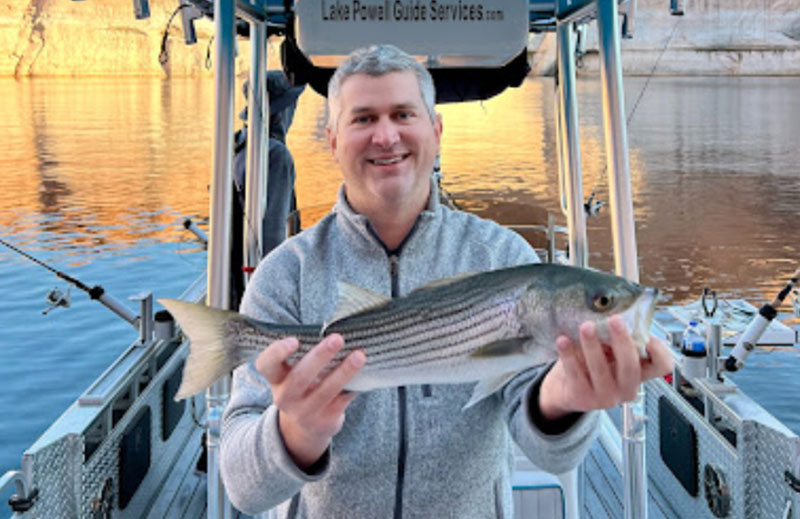
If you’re planning a fishing adventure, there’s simply no match for the experience of booking a Lake Powell guided fishing trip over going it alone. The lake boasts an impressive variety of fisheries, including striped bass, largemouth and smallmouth bass, catfish, crappie, and more. However, pinpointing the most productive spots is highly dependent on factors like seasonality, water levels, and current conditions.

Guides dedicate hundreds of days each year to tracking fish movements. They have an intimate understanding of when stripers are active near the surface or when bass are nestled in submerged brush. They know precisely when deep-water jigging by the dam will yield the best catches. Equipped with top-notch gear and electronics along with refined techniques, they ensure you spend more time reeling in fish rather than second-guessing your strategy.

For families or novice anglers, this expertise is priceless. Even seasoned anglers benefit immensely as it allows them to concentrate on enjoying the thrill of catching fish without being bogged down by scouting or troubleshooting throughout their trip.

Maximize Your Time — No Guesswork Required

Exploring Lake Powell is a rewarding experience, but without the right guidance, it can quickly become time-consuming and frustrating. Many visitors find themselves spending hours searching for the perfect canyon, only to end up lost or at the wrong location. Opting for a guided boat tour ensures that every moment of your adventure is seamless and enjoyable. Your guide expertly manages all aspects of the trip—launching, navigation, timing, and logistics—allowing you to focus solely on enjoying your journey.

Moreover, guides offer invaluable adaptability by adjusting itineraries in real-time based on conditions. If winds pick up in one area, they know exactly where to find calmer waters; if a canyon becomes crowded unexpectedly, they have alternative spots ready to explore. This level of flexibility is something you simply cannot achieve with just a rental boat and a paper map. Choosing a guided tour transforms your Lake Powell visit into an effortless and unforgettable experience.

Insider Scenic Spots and Photo Opportunities

Lake Powell stands as one of North America’s most stunningly photogenic locations, yet its hidden gems aren’t always easy to find. Some of the most breathtaking views are nestled within narrow canyons or demand precise timing to catch the perfect light. That’s where local guides come in—they possess the expertise to lead you to these magical spots at just the right moment, ensuring you capture that enchanting golden glow on sandstone.

These guides can expertly position your boat for flawless shots, suggest the best overlooks, and unveil scenes that extend far beyond those Instagram-famous spots. Whether you’re a dedicated photographer or simply seeking unforgettable memories, their insider knowledge is invaluable and will elevate your experience beyond measure.

Stress-Free Adventure for Families and Groups

Organizing a Lake Powell adventure trip independently can be quite overwhelming, with numerous logistics to manage, such as boat rentals, fuel, permits, safety checks, navigation, and timing. For families or groups, this can quickly become a complex juggling act. Opting for a guided tour eliminates all these concerns effortlessly.

Imagine being able to relax and fully immerse yourself in creating unforgettable memories while your guide expertly handles every detail. They ensure everything runs seamlessly so you can truly savor the magic of the lake—whether it’s witnessing your children spot their first bighorn sheep, watching your partner reel in a striped bass, or sharing laughter with friends as you glide through hidden canyons. Choosing a guided tour means choosing peace of mind and pure enjoyment.

Tailored Adventures for Every Interest

Lake Powell offers a diverse range of experiences, catering to the unique desires of every visitor. Whether you’re seeking a half-day scenic cruise, an intense multi-day fishing adventure, or simply the perfect sunset on the water, guided tours provide the ultimate solution through their customizable nature. A skilled guide will tailor your journey to your priorities, exploring iconic landmarks, indulging in hours of fishing, discovering serene coves for swimming, or planning your route to capture the best light and avoid crowds.

This personalized approach ensures that no two tours are identical, as each group is unique. Such flexibility guarantees that you receive the experience you truly desire rather than settling for a generic outing. Embrace this opportunity to craft unforgettable memories tailored just for you at Lake Powell. 

Safety and Peace of Mind

Lake Powell is undeniably breathtaking, but its remote nature presents challenges that shouldn’t be underestimated. With unreliable cell service in many canyons and rapidly changing weather conditions, navigating the area independently can lead to unforeseen situations. Hiring a guide offers an unmatched level of safety and preparedness. These experts are adept at reading the lake’s conditions, managing sudden changes, and carrying essential equipment for emergencies. This assurance allows you to relax and immerse yourself in the experience truly, confident that you’re under expert care.

The Bottom Line: Experience More, Worry Less

Lake Powell is a breathtaking destination, and to truly appreciate its wonders, experience is key. Opting for guided boat tours elevates your visit from simply beautiful to absolutely extraordinary. These tours offer local expertise, smooth logistics, access to hidden gems, and personalized adventures that allow you to explore the lake as it should be: intimately, leisurely, and memorably.

Whether you’re an experienced explorer or visiting for the first time, Lake Powell guided tours provide unparalleled value in terms of safety and depth of experience. You’ll depart not only with unforgettable memories but also with a deeper appreciation for the lake’s immense beauty and rich stories.

Book Your Lake Powell Adventure Today

At Lake Powell Guide Services, we live and breathe this lake. We’re out here daily, exploring its changing landscapes, following the fish, and uncovering new corners to share with our guests. From scenic half-day excursions to full-day fishing adventures, we tailor every trip to match your interests.

Book your Lake Powell adventure today, and let us show you the side of Lake Powell that most visitors never see. Spots fill quickly, so reserve your guided tour now and make this season unforgettable! 
 

Categories
Fishing Guided Camping

Best Time of Year to Visit Lake Powell for Fishing & Camping

Nestled along the Arizona–Utah border, Lake Powell is an awe-inspiring destination that captivates anglers, campers, and outdoor enthusiasts from across the globe. With over 2,000 miles of stunning shoreline, pristine waters, and red sandstone cliffs that shimmer in the changing light, Lake Powell promises a magical experience year-round. However, to truly maximize your fishing or camping adventure here, timing is crucial.

By understanding the optimal times to visit Lake Powell, considering fishing seasons and camping weather, you can enhance your experience while sidestepping crowds and avoiding unexpected scorching heat or chilly winds that often surprise newcomers. Whether you’re gearing up for a guided fishing expedition or seeking a serene weekend under the stars, this seasonal guide will ensure you choose the ideal time for your unforgettable trip.

Spring (March–May): A Prime Season for Anglers & Campers

Spring is undeniably the ideal season to explore Lake Powell for both fishing and camping. As winter fades away, the warming temperatures create perfect conditions for enjoying extended days on the water or setting up a cozy camp along the picturesque shoreline.

Fishing in Spring

Spring ushers in Lake Powell’s most vibrant fishing season. With water temperatures rising to a comfortable 50–60°F, striped bass, largemouth bass, and smallmouth bass become more active as they move into shallow waters to spawn. This behavior makes them easier targets near rocky shorelines, coves, and canyons.

Striped Bass: Early spring offers an excellent opportunity for trolling deep-diving lures and using anchovies as bait. As spring progresses, stripers migrate toward shallower areas where casting and vertical jigging prove highly effective.

Bass Fishing: During April and May, largemouth and smallmouth bass spawn in shallow waters, providing exceptional sight-fishing opportunities in secluded coves and around submerged brush.

Extra Bonus Tip! Secure a guided fishing charter this spring to master local techniques and uncover hidden gems before summer crowds descend upon the lake. Check out this article to learn more about fishing at Lake Powell.

Camping in Spring

Spring is the perfect time for camping, and here’s why you should consider it. With daytime temperatures ranging from the mid-60s to 80s°F, you’ll enjoy pleasant weather, while cool nights are easily managed with a quality sleeping bag. As snowmelt fills the lakes, fresh sandy beaches emerge—ideal spots for your campsite.

Why Spring Camping is Unbeatable:

  • Experience fewer crowds compared to summer
  • Enjoy the breathtaking beauty of blooming desert wildflowers
  • Relish mild temperatures that make hiking and campfire evenings delightful

It’s important to note that spring storms can appear unexpectedly, bringing gusty winds. By securing your tents and preparing for changing conditions, you’ll ensure a comfortable and enjoyable camping experience. Embrace the unique charm of spring camping!

Summer (June–August): Peak Season for Water Play, Hot Weather for Camping

Summer is undeniably the peak season for water activities and camping, and there’s every reason to embrace it. Lake Powell becomes a hub of excitement with its warm waters and extended daylight, making it ideal for boating, wakeboarding, and swimming. Yet, anglers and campers will find both rewards and challenges during this vibrant season.

Fishing in Summer

While bass fishing might slow down as temperatures rise, striped bass fishing can be spectacular. Imagine witnessing large surface boils where entire schools of stripers create an exhilarating frenzy on baitfish—perfect for topwater action! The prime times to fish are at dawn and dusk when cooler temperatures invigorate fish activity. As the day warms up, deep-water techniques like trolling or jigging in 40–60 feet become essential as stripers retreat to cooler depths.

Camping in Summer

Camping during summer demands some foresight due to daytime highs that can exceed 100°F in July. While the lake offers a refreshing respite from the heat, setting up camp or relaxing midday requires strategic planning.

Get Ready for the Ultimate Summer Camping Adventure

  • Opt for shaded canyons or beaches with natural breezes.
  • Schedule activities for early morning or late afternoon.
  • Ensure you have ample water supply, sun protection gear, and a canopy for shade.

Despite the heat challenges, summer evenings offer enchanting experiences under starry skies with soothing lake sounds and cozy campfires—a truly memorable time for families and groups alike.

Don’t Miss This Insider Tip: For those seeking tranquility away from crowds while still enjoying great weather conditions—early June or late August are perfect choices with fewer visitors than bustling July!

Fall (September–November): The Hidden Gem Season

If you’re looking for the perfect time to visit Lake Powell, fall is your answer. This season offers cooler weather, fewer crowds, and exceptional conditions for both fishing and camping.

Fishing in Fall

Autumn marks a second peak season for fishing, especially for striped bass. As surface water temperatures dip into the 60s, stripers and bass return to shallow waters with a feeding frenzy before winter sets in.

  • Striped Bass: Enjoy consistent action with excellent trolling, casting, and jigging opportunities throughout September and October.
  • Bass: Smallmouth bass are active around rocky points and ledges while largemouth bass seek structure in shallow bays.

October is often hailed as the best month for fishing on Lake Powell. With fewer boats on the water and fish eager to bite, it’s an ideal setting for both casual anglers and dedicated fishers.

Camping in Fall

Lake Powell’s fall camping experience is unparalleled. Daytime temperatures range from 70s–80s°F with comfortably cool nights. The calm lake invites kayaking, paddleboarding, and exploration of narrow side canyons without summer’s bustling crowds.

Why Fall Camping Shines:

  • Warm days paired with crisp nights
  • Fewer insects alongside reduced crowds
  • Stunning sunsets bathed in autumn’s golden light

Bonus: Capture breathtaking photography opportunities as fall’s lower sun angle highlights red cliffs against shimmering water reflections at sunrise or sunset.

Winter (December–February): Quiet Solitude for Diehards

Winter at Lake Powell offers a unique opportunity for those seeking tranquility and solitude, away from the usual crowds. While it may not be the peak season for camping or fishing, with proper preparation, it can be incredibly rewarding.

Consider fishing during this serene time: although fish are less active in colder temperatures, deep-water striped bass fishing remains fruitful. By employing techniques like vertical jigging and slow trolling in depths of 60–100 feet, anglers can enjoy a productive experience.

The advantages are clear: you’ll find quiet coves and exceptional water visibility without the usual hustle and bustle. Of course, there are challenges to consider—cold mornings, chilly winds, and limited daylight hours—but these can be managed with foresight.

For those adventurous enough to camp in winter, it promises a peaceful escape. Daytime temperatures range from 40s to 60s°F while nights dip below freezing; however, equipped with four-season tents, warm sleeping bags, and layered clothing, you’ll find this an unforgettable experience.

Remember that winter storms can arise unexpectedly. Always check forecasts before your trip and plan for extra layers and wind protection to ensure your adventure is both safe and enjoyable. Embrace the quiet beauty of Lake Powell this winter—you won’t regret it!

Plan Your Trip Early

No matter what draws you to Lake Powell—be it the bass spawn of spring, the water fun of summer, the perfect balance of fall, or winter’s solitude—you’re in for unforgettable experiences all year round. To truly maximize your adventure, especially during the bustling spring and fall seasons, it’s wise to secure your guided fishing trips and camping spots early.

Lake Powell Guide Services is here to elevate your journey with expert-led fishing charters, tailored camping recommendations, and invaluable local insights that transform a good trip into an extraordinary one. Our deep knowledge of the lake allows you to focus on creating lasting memories.

Don’t wait—book your Lake Powell fishing trip today and discover why anglers and campers return season after season!

Ready to take your Lake Powell Trip to the Next Level?

At Lake Powell Guide Services, we are committed to ensuring your fishing adventure is exactly what you envision. With our personalized fishing charters, seasonal tips, and expert guidance, we tailor each experience to meet your specific goals. Whether you’re aiming for trophy stripers, seeking scenic shoreline camps, or simply desiring a peaceful escape, our services are designed to fulfill your every need. Trust us to make your trip truly unforgettable.


Categories
Guided Camping

Top 5 Remote Camping Spots in Glen Canyon National Recreation Area

The Glen Canyon National Recreation Area is one of the most popular destinations in the Southwest for water-based recreation, but it also offers outstanding opportunities for camping — especially if you’re looking for remote, boat-accessible sites. With more than 1.25 million acres of land and water to explore, the area provides numerous sandy beaches and secluded coves perfect for setting up camp.

In this guide, I’ll go over five of the best Lake Powell remote campsites, their locations, what to expect, and tips for making the most of your trip. This list is based on years of boating and guiding experience in Glen Canyon, with a focus on practical details so you can plan your trip with confidence.

Of course if you’d rather do it with a guide, don’t hesitate to experience the luxury of a guided camping trip from Lake Powell Guide Services.

1. Padre Bay

Padre Bay is the largest expanse of open water on Lake Powell, located about 45 minutes from Antelope Point Marina. It’s surrounded by towering sandstone formations like Tower Butte and Cookie Jar Butte, offering both scenic views and multiple beach options for camping.

Why It’s a Good Camping Location:

  • Numerous sandy beaches to choose from.
  • Wide, open area makes it easier to find available space.
  • Ideal for large groups or multiple boats.

Tips for Camping in Padre Bay:

  • Afternoon winds are common; pitch tents farther up the beach from the waterline.
  • Bring extra shade — there’s little natural cover here.
  • Great location for fishing, especially for smallmouth bass near rocky points.

Access:
Boat-in only. Approximately 45 minutes from Antelope Point Marina, depending on boat speed. Keep in mind that this is the most popular bay for water recreation and camping, so it can get crowded. 

2. Dungeon Canyon

Dungeon Canyon is a narrow, protected side canyon about a 1 to 1.5 hour boat ride from Antelope Point Marina . It offers a quieter atmosphere than open-water areas and has small sandy pockets at the back where campers can set up.

Why It’s a Good Camping Location:

  • Protected from wind and large wakes.
  • Close proximity to the marina makes it convenient for shorter trips.
  • Smaller, more private setting than major bays.

Tips for Camping in Dungeon Canyon:

  • Space is limited, so it’s best for smaller groups.
  • Bring paddleboards or kayaks for exploring side channels.
  • Be mindful of sound — the canyon walls can amplify noise.

Access:
Boat-in only, 1 to 1.5 hours from Antelope Point Marina. 

3. Face Canyon

Face Canyon is a longer side canyon located approximately 1 hour  from Antelope Point Marina. The canyon is known for its high walls, scenic views, and multiple coves suitable for camping.

Why It’s a Good Camping Location:

  • Multiple options for beaching and camping.
  • Good opportunities for photography due to light and shadow on canyon walls.
  • Less boat traffic compared to areas closer to the marina.

Tips for Camping in Face Canyon:

  • Some beaches drop off quickly into deep water; use caution when beaching your boat.
  • This area offers good night sky visibility for stargazing.
  • Pack insect repellent — mosquitoes can be present in summer.

Access:
Boat-in only, about a 1-hour trip from Antelope Point Marina.

  1. Escalante Arm

The Escalante Arm is one of the most remote and scenic sections of Lake Powell. It consists of a series of long, narrow canyons with numerous beach options.

Why It’s a Good Camping Location:

  • Extremely quiet and isolated, ideal for multi-day trips.
  • Excellent water clarity and calm conditions in sheltered areas.
  • Abundant shoreline to explore.

Tips for Camping in the Escalante Arm:

  • Plan your fuel carefully — it’s a long distance from services.
  • Carry plenty of drinking water or a reliable water filtration system.
  • Check the weather forecast before heading in; afternoon winds can make long crossings more challenging.

Access:
Boat-in only. Closest access is from Bullfrog Marina.

General Camping Guidelines for Glen Canyon

Whether you choose one of the Glen Canyon camping spots above or another location, it’s important to follow best practices to ensure a safe and enjoyable trip.

  1. Portable Toilets Required
    All boat-in campers are required to have and use a portable toilet system. This helps keep the lake clean and prevents pollution.
  2. Leave No Trace
    Pack out everything you bring in, including trash and leftover food. Avoid damaging vegetation and minimize your impact on the shoreline.
  3. Water Levels and Beaching
    Lake Powell’s water levels fluctuate, sometimes significantly. Before heading out, check current conditions and be prepared for steep beach angles or rocky landings.
  4. Weather Awareness
    Afternoon winds are common in summer, and storms can develop quickly. Secure tents and boats properly and avoid crossing large sections of open water during high winds.
  5. Fuel and Supplies
    If you’re traveling to more remote areas like the Escalante Arm, plan your fuel carefully and bring all necessary supplies. There are limited services once you leave the main marinas.

Choosing the Right Spot

When deciding which Lake Powell remote campsites are right for your trip, consider:

  • Distance from marina: Shorter trips work well for weekend outings, while further locations suit multi-day stays.
  • Group size: Smaller coves are better for a couple of tents; larger beaches can accommodate more boats.
  • Activities: Fishing, kayaking, hiking, and photography opportunities vary by location.
  • Wind exposure: Bays and open-water areas can be windy; side canyons often offer more protection.

Summary

Camping Glen Canyon offers some of the most unique and memorable outdoor experiences in the region. From the wide-open views of Padre Bay to the secluded quiet of Escalantes Arm there are camping spots to suit every style of trip.

By planning ahead, following park regulations, and choosing your campsite based on your group’s needs, you can enjoy a safe, comfortable, and scenic camping experience on Lake Powell.

For the best results, decide in advance how far you want to travel, prepare your boat and gear for self-sufficiency, and always respect the natural environment. With those steps in place, the five Glen Canyon camping spots outlined above can provide an unforgettable trip on one of America’s most beautiful lakes.


Categories
Guided Camping

Lake Powell Boat-In Campsites: How to Reach Them and What to Know

Lake Powell is one of the most unique camping destinations in the country, and boat-in camping offers an experience unlike anything else. With over 1,900 miles of shoreline stretching across Utah and Arizona, there are countless coves, beaches, and hidden inlets to discover — many of which can only be accessed by boat.

If you’re planning a boat-in camping Lake Powell trip, you’ll want to know which areas are worth the effort, how to navigate to them, and what to bring so you’re fully prepared. This guide covers everything you need — from location details to safety tips — so your adventure goes smoothly.

Why Choose Boat-In Camping at Lake Powell?

There are plenty of developed campgrounds around Lake Powell, but Lake Powell boat camping takes the experience to another level.

When you camp at a boat-accessible site, you get:

  • Privacy – Most boat-in campsites are far from the crowds, giving you the peace and quiet that’s harder to find in busy marina areas.
  • Scenic variety – From towering sandstone cliffs to sandy beaches and hidden slot canyons, every location offers a different backdrop.
  • Prime fishing and swimming – You’re right on the water, so you can cast a line or take a swim within steps of your tent.
  • A flexible schedule – No check-in desk, no assigned sites. You choose your own camping spot as long as it follows park rules.

How to Reach Boat-In Campsites at Lake Powell

The main requirement for boat-in camping Lake Powell is, of course, having a boat. Whether you own one, rent one, or hire a guide, you’ll need a vessel capable of carrying your camping gear to your chosen spot.

Launch Points

The most common launch points include:

  • Wahweap Marina (Arizona) – Near Page, AZ, and the most popular starting point for exploring the southern half of Lake Powell. This launch point is the most southern launch point on Lake Powell and requires greater time to reach the best campsites. 
  • Antelope Point Marina (Arizona) – Also near Page, this marina is a good option for accessing nearby canyons.
  • Bullfrog Marina (Utah) – Ideal for the northern half of the lake, especially if you’re coming from Salt Lake City or Moab.
  • Halls Crossing Marina (Utah) – Another northern option, with ferry access from Bullfrog.

From these marinas, you can boat to your preferred camping area, but travel time will depend on the distance, your boat speed, and water conditions.

Best Boat-In Campsites at Lake Powell

While Lake Powell offers endless shoreline, certain areas are more popular for Lake Powell accessible campsites because they combine beauty, accessibility, and good water depth for anchoring.

Padre Bay

Padre Bay is one of the largest open-water areas on Lake Powell, making it a top choice for many boat-in campers. It’s only a one hour boat ride from Antelope Point Marina. The bay has numerous sandy beaches perfect for setting up camp, and the surrounding sandstone formations make for spectacular sunsets. Because of its size, it’s easier to find a secluded stretch even during peak summer months.

Face Canyon

Located off the main channel north of Padre Bay, Face Canyon offers sheltered coves ideal for anchoring. It’s a good choice if you want protection from wind and waves. The canyon walls rise steeply around the water, creating a more enclosed and private feel. You’ll find a few sandy patches for tents, and the fishing here is often excellent in the early mornings.

Gunsight Bay

Named for the Gunsight Butte landmark, this area offers sweeping views and wide-open beaches. It’s reachable within a couple of hours from Antelope Point Marina. Gunsight Bay is a favorite among photographers and kayakers because of its scenic cliffs and calm waters in the mornings.

Rock Creek Bay

If you’re looking for variety, Rock Creek Bay is a solid choice. With several side canyons branching off the main bay, it gives you multiple spots to explore by kayak or small boat once you set up camp. The sandy beach areas here are well-suited for larger groups, and it’s far enough from high-traffic zones to feel peaceful.

Bullfrog Area Coves

If you’re launching from Bullfrog or Halls Crossing, you don’t need to travel far to find excellent Lake Powell boat camping. Several coves near the marinas have good sandy shorelines, making them ideal for quick getaways without long boat rides. These areas are also great if you’re camping with kids or want to be closer to marina amenities.

Choosing the Right Boat for Your Trip

When planning boat-in camping Lake Powell, your boat choice matters.

  • Houseboats – Offer the most comfort, with kitchens, bathrooms, and sleeping quarters. Ideal for multi-day trips.
  • Powerboats – Great for shorter trips or as a transport vessel to reach your camping beach.
  • Pontoon boats – Provide plenty of deck space for gear and passengers.
  • Kayaks and canoes – Best for experienced paddlers camping close to their launch point or with support from a motorized boat.

If renting, check local marinas for availability and book early during summer. 

What to Bring for Boat-In Camping

Packing for Lake Powell accessible campsites is a bit different than packing for a drive-in site. Space is limited, and you’ll need to plan for sun, wind, and water exposure.

Essential items include:

  • Shelter – Tent or shade canopy rated for wind.
  • Sleeping gear – Lightweight sleeping bags and sleeping pads.
  • Cooking setup – Portable stove, propane, and fuel-efficient cookware.
  • Food & water – Bring more drinking water than you think you’ll need; Lake Powell water must be filtered and boiled if taken from the lake.
  • Clothing – Quick-dry fabrics, layers for cool nights, and sun-protective hats.
  • Navigation & safety gear – GPS, maps, life jackets, first-aid kit, flashlight, and extra batteries.
  • Waste disposal supplies – Portable toilet or waste bags (required by park regulations). 

If you don’t want to have to worry about packing all of these things, book a guided camping trip with Lake Powell Guide Services and they will bring all needed provisions! 

Safety Tips for Boat-In Camping at Lake Powell

  • Check the weather forecast before heading out. Strong winds can make boating and anchoring challenging.
  • Carry extra fuel — distances can be deceiving on the lake.
  • Stay aware of your surroundings — submerged rocks and narrow canyon turns can be hazardous.
  • File a float plan with someone onshore, including your intended camping area and return date.
  • Respect park rules — camping is allowed below the high-water line, but fires must be contained in a fire pan.

When to Go

The best time for Lake Powell boat camping is late spring through early fall.

  • Spring (April–May) – Milder temperatures, fewer crowds, great fishing.
  • Summer (June–August) – Warm water for swimming, but be prepared for heat and busy weekends.
  • Fall (September–October) – Still warm enough for water activities, with cooler nights and fewer boats on the water.

Final Thoughts

Boat-in camping Lake Powell gives you access to some of the most remote and beautiful parts of the lake. With the right boat, gear, and preparation, you can enjoy a truly unique camping trip surrounded by red rock cliffs, sandy beaches, and open water. Whether you choose a quick overnight in a nearby cove or a week-long houseboat adventure deep into the canyons, Lake Powell’s boat-accessible campsites are an unforgettable way to experience this one-of-a-kind destination.

Remember that you can also book a guided camping trip with Lake Powell Guide Services and have a guide all along the way to help you out with safety, packing, meals, and so much more! Book on our website today.

Categories
Guided Camping

What to Pack for an Overnight Guided Camping Trip at Lake Powell

If you’re heading out on an overnight camping trip at Lake Powell, preparation is everything. The lake’s vast shoreline, stunning sandstone cliffs, and remote coves make for an unforgettable outdoor experience, but once you’re out on the water, there’s no running back to grab something you forgot. This Lake Powell camping checklist covers everything you’ll want to bring on your guided camping trip so you can focus on enjoying the trip instead of wishing you’d packed differently.

Clothing for Changing Conditions

Lake Powell can be hot during the day and surprisingly cool at night, especially on the water. Pack lightweight, breathable clothing for the day — think moisture-wicking shirts, shorts, and a hat with a brim for sun protection. For evenings, bring a warm layer like a fleece or light jacket. Even in summer, overnight temperatures can dip into the 50s, so a beanie or knit cap can make a big difference in comfort. Footwear should include sturdy sandals or water shoes for the boat and shoreline, plus a pair of dry, closed-toe shoes for camp.

Sun Protection

The desert sun around Glen Canyon is intense, and reflected light from the water only adds to the burn risk. Sunscreen with a high SPF, sunglasses with UV protection, and a wide-brimmed hat are essential. A lightweight, long-sleeve sun shirt is also a great option if you want coverage without overheating.

Sleeping Gear

Most guided overnight camping trips at Lake Powell provide basic camping gear, but it’s always best to confirm with your outfitter. If sleeping bags and pads aren’t included, bring one rated for cooler desert nights. A compact pillow or inflatable pillow can also help you sleep better. A headlamp with extra batteries is important for moving around camp after dark — hands-free lighting is especially useful when you’re cooking, organizing gear, or walking down to the shoreline.

Personal Essentials

Don’t forget your personal hygiene items. Toothbrush, toothpaste, biodegradable soap, and a quick-dry towel are standard. Baby wipes or moist towelettes can be a lifesaver when you’re away from showers. If you wear contacts, bring spares along with your glasses. Any medications you need should be packed in a waterproof container. Insect repellent isn’t always necessary on Lake Powell, but it’s a good idea to have it just in case.

Food and Drinks

Guided trips often include meals, snacks, and drinking water, but always double-check so you know whether to bring your own. If food is provided, you might still want to pack your favorite trail mix, jerky, or granola bars for quick energy. A reusable water bottle is a must — even if water is on hand, having your own bottle makes it easier to stay hydrated throughout the day.

Fishing Gear (If Applicable)

If you plan to fish during your camping trip, check with your guide to see what’s included. Some trips provide rods, tackle, and bait, while others require you to bring your own. Make sure your fishing license for Utah or Arizona is current, as Lake Powell spans both states.

Camera or Binoculars

The scenery at Lake Powell is worth capturing. Whether you use a DSLR camera, a small digital camera, or just your phone, make sure it’s charged and protected from water and sand. A dry bag or waterproof case is highly recommended. Binoculars are great for spotting wildlife or just enjoying the view from camp.

Dry Bags and Storage

Lake Powell is all about water access, which means your gear is at risk of getting splashed. Use dry bags for clothing, electronics, and other essentials you want to keep dry. Smaller zippered pouches are helpful for keeping things like sunscreen, snacks, and maps organized.

Extras for Comfort

Small touches can make your camping experience more enjoyable. A camp chair gives you a comfortable place to sit by the fire or on the beach. A book, playing cards, or a journal can help you wind down in the evenings. If you’re traveling with friends or family, consider bringing a small Bluetooth speaker for music — just be respectful of the quiet and beauty of your surroundings.

Final Prep Before You Go

Before heading out on your overnight camping trip at Lake Powell, check the weather forecast and talk with your guide about what’s already provided. Overpacking can be just as inconvenient as forgetting something, so tailor your gear to the trip’s length, the season, and the type of activities you’ll be doing.

With the right preparation and the right gear from this Lake Powell camping checklist, you’ll be ready for a comfortable, safe, and memorable adventure in one of the most beautiful places in the Southwest.


Categories
Guided Camping

Your Guide to Guided Camping at Lake Powell: What to Expect

There’s camping, and then there’s camping at Lake Powell. Add a knowledgeable guide to the mix, and you’ve got a next-level adventure that blends outdoor comfort, scenic beauty, and unforgettable experiences. Whether you’re new to the outdoors or just want a more relaxing trip without all the heavy lifting, guided camping at Lake Powell might be just what you’re looking for.

Let’s walk you through everything you can expect from a guided camping experience on Lake Powell—from the views and the gear to the food and the fun. We’ll also talk about how it compares to DIY camping, the benefits of going with a guide, and what makes Glen Canyon and Lake Powell one of the best places in the Southwest for an outdoor getaway.

What is Guided Camping at Lake Powell?

Guided camping at Lake Powell is a fully-supported camping experience where an expert guide handles the logistics so you can focus on enjoying the scenery and the adventure. That means no packing tents, no worrying about meals, and no guessing where to set up camp. You just show up, and we take care of the rest.

Our Lake Powell camping tours often include boat transportation to a remote beach, all the gear (tents, sleeping pads, cooking supplies), delicious campfire meals, and activities like fishing, hiking, or stargazing. It’s perfect for couples, families, or small groups who want to experience Lake Powell’s backcountry beauty with ease.

Why Camp in Glen Canyon?

Lake Powell sits in the heart of Glen Canyon National Recreation Area—a place packed with jaw-dropping views, deep canyons, and hidden beaches. Camping here is unlike anywhere else. You can wake up to red rock cliffs glowing in the sunrise, swim in clear water steps from your tent, and spend your day exploring slot canyons or casting a line.

Camping Glen Canyon-style means getting away from the crowds and immersing yourself in the raw beauty of the Southwest. It’s quiet, remote, and soul-filling.

What to Expect on a Lake Powell Camping Tour

When you book a guided camping trip with Lake Powell Guide Services, here’s what a typical experience includes:

  • Boat Access to Remote Beaches: We take you by boat to secluded camping spots only accessible from the water. That means privacy, space, and some of the most scenic campsites around.
  • All-Inclusive Gear: Tents, chairs, shade, sleeping bags, sleeping pads—we bring everything you need. You don’t have to buy or pack a thing.
  • Campfire Cooking: Enjoy hot, freshly-prepared meals cooked right at camp. We handle the menu, prep, and cleanup.
  • Activities: Want to fish? Hike a slot canyon? Paddle around in a kayak or just relax under the stars? We can build your trip around what you enjoy.
  • Expert Local Guide: Our guides know the lake inside and out. They handle safety, navigation, weather, and planning—plus, they’re full of stories and local knowledge that make your trip richer.

Who is Guided Camping Good For?

Just about anyone. Whether you’re brand new to camping or just want to enjoy the outdoors without all the hassle, guided camping is a great option. It’s especially perfect for:

  • Families who want a safe, structured adventure
  • Couples looking for a romantic, unplugged getaway
  • Groups of friends who want to focus on fun, not planning
  • Solo travelers who want expert support

What Should You Bring?

Since we provide most of the gear, your packing list is short. Here’s what we recommend:

  • Personal clothing (layers, swimwear, hat, sun protection)
  • Toiletries and personal medications
  • Camera or phone for photos
  • Reusable water bottle
  • Any special snacks or drinks you want

We handle the rest.

Why Choose Lake Powell Guide Services?

We live and breathe Lake Powell. Our team is local, experienced, and passionate about helping people discover the beauty of Glen Canyon in a safe, memorable way. We know the best camping spots, the best times to go, and how to make every detail of your trip comfortable and fun.

Plus, when you camp with us, you’re not just getting a guide—you’re getting an experience that feels both adventurous and easy.

Book Your Lake Powell Camping Adventure

Ready to unplug and recharge with a guided camping trip? Whether it’s your first time visiting Lake Powell or your tenth, we’ll help you create a custom outdoor adventure that you’ll never forget.

Book your Lake Powell camping tour today and experience Glen Canyon like never before.