When planning a trip to Lake Powell, one of the most crucial questions you can ask is: “What are the current water levels?” This inquiry is not only wise but necessary. For years, Lake Powell’s fluctuating water levels have impacted everything from boat ramp access and fishing conditions to campsite locations and scenic views. It’s vital for anyone visiting the lake—not just locals or avid anglers—to understand these changes. Whether you’re setting off on a houseboat adventure, casting your line in secluded canyons, or pitching your tent along the shoreline, being informed about water levels will ensure that your trip is smoother, safer, and far more enjoyable.
A Quick Primer on Lake Powell’s Water System
Lake Powell, an integral part of the Colorado River Reservoir System, is a crucial resource created by the Glen Canyon Dam in 1963. Spanning nearly 186 miles, it plays a vital role in generating hydropower and supplying water to communities throughout the Southwest. Unlike natural lakes, Lake Powell’s water levels are subject to significant fluctuations due to snowmelt, inflows from the Upper Colorado River Basin, and federal water management policies.
Typically, we see water levels rise in late spring and early summer as snow melts from the Rocky Mountains. By late summer into fall, these levels stabilize or decline before reaching their lowest point in winter. However, recent challenges such as long-term droughts, reduced snowpack, and increased evaporation have disrupted this cycle. These changes have made Lake Powell’s conditions more unpredictable and dynamic within a single season.
Given these factors, it’s imperative that we recognize Lake Powell’s importance not only for its immediate benefits but also for its role in sustaining our future needs. By understanding these dynamics and supporting sustainable practices around this reservoir system now more than ever ensures that it continues to serve us effectively amidst changing environmental conditions.
Why Water Levels Matter to Visitors
For travelers, understanding water levels is crucial because they significantly impact your lake access, camping options, fishing spots, and overall experience.
Boat Ramp & Launch Access
One of the most significant effects is on boat ramps. While some ramps remain operational throughout the year, others become too shallow during low water periods. For instance, Wahweap and Bullfrog ramps are carefully monitored and adjusted with temporary extensions when needed. However, smaller ramps inside canyons may become completely inaccessible during late summer or dry years.
Experienced boaters always check the latest Lake Powell water updates before their trip. Launching at low water requires different trailer angles and sometimes longer waits or specialized equipment. If you’re planning to bring a houseboat or larger vessel, knowing the ramp status in advance can prevent logistical challenges—or worse yet—discovering upon arrival that your intended launch site is unusable.
By staying informed about current conditions, you ensure a smoother and more enjoyable adventure on the lake.
Shoreline Camping
Fluctuating water levels have a significant impact on shoreline camping, and understanding these changes can greatly enhance your experience. When the lake is high, the beaches become narrower or even submerged, limiting camping spots along the water’s edge. However, when water levels drop, they reveal expansive sandy areas that offer stunning and secluded campsites previously hidden underwater.
Regular visitors often highlight the unique charm of camping during low water periods. Imagine setting up your tent on soft sand with majestic canyon walls as your backdrop—far from crowded marinas. Although these spots might require a bit more effort to reach for swimming or kayaking due to their distance from the current waterline, they provide unparalleled tranquility and beauty.
By staying informed about water level trends, you can select a campsite that perfectly matches your group’s needs—whether you prioritize privacy, convenience, or capturing that breathtaking sunrise view. Make informed choices to ensure an unforgettable camping adventure.
Fishing Conditions
For anglers, understanding Lake Powell’s water levels is crucial to mastering your fishing strategy. These fluctuations aren’t just background details; they directly influence fish behavior, spawning zones, and habitat structures. As water rises in spring, submerged brush offers perfect cover for bass and crappie, resulting in thrilling shallow-water action.
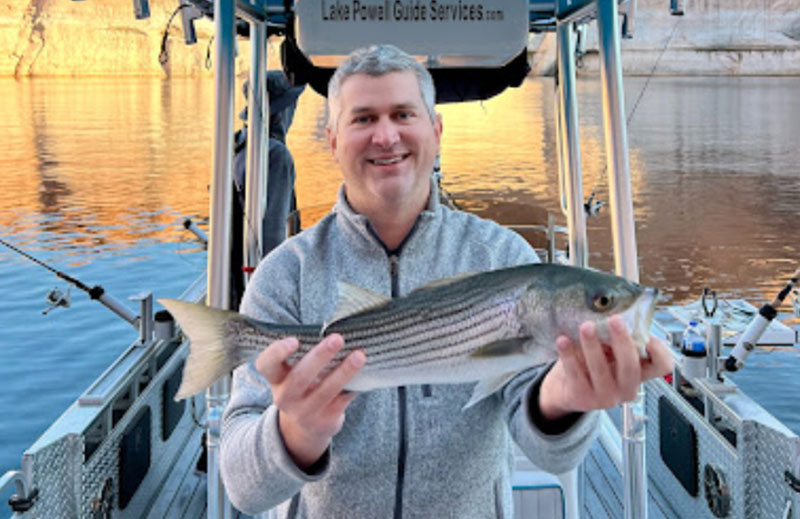
Conversely, during lower water conditions, fish tend to gather in narrower channels and deeper structures. This is when electronics and local knowledge become essential tools. In late summer drawdown periods, striped bass often form tight schools in deep waters—ideal for vertical jigging and trolling.
Experienced guides who navigate the lake daily adapt their techniques to these changes. One week might be perfect for casting spinnerbaits into flooded brush; the next could require tracking stripers 60 feet deep near the dam. By aligning your approach with these natural shifts, you can significantly enhance your fishing success at Lake Powell.
Scenic Experience & Navigation
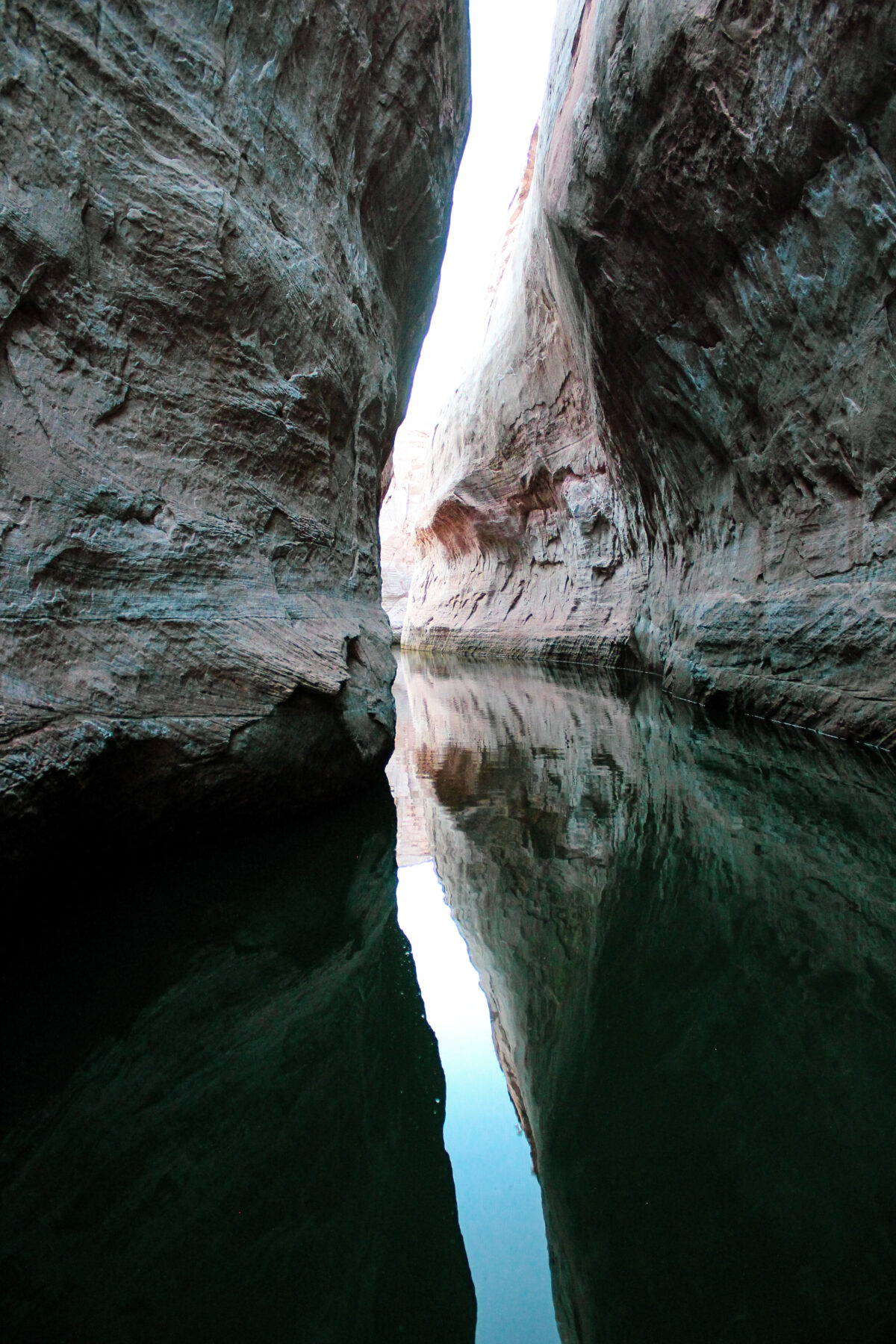
Experiencing the landscape of Lake Powell is profoundly influenced by water levels, offering unique opportunities that you won’t want to miss. When water levels are high, narrow side canyons become accessible for kayaking and scenic boat rides, providing an exhilarating way to explore these hidden gems. Conversely, lower water levels unveil new rock formations, alcoves, and beaches—transforming familiar routes and uncovering parts of the canyon that have been submerged for decades.
Navigationally speaking, lower waters reveal rock outcroppings and narrow some channels. Boaters must remain vigilant by watching for markers and using updated maps or GPS systems. Those who know the lake well often find joy in these changes; each season presents a fresh perspective on the breathtaking beauty of Lake Powell.
Seasonal Water Patterns: What to Expect
While no two years are exactly the same, there are general seasonal patterns visitors can use for planning:
Spring (March–May): Levels begin rising as snowmelt starts. Ramps reopen, fishing improves, and beaches are often still expansive from winter drawdown.
Summer (June–August): Water levels are typically at their highest. It’s great for boating, exploring side canyons, and accessing remote areas. Ramps are busiest, and popular spots can fill up.
Fall (September–November): Levels stabilize or gradually drop. It’s excellent for fishing, quieter camping, and scenic exploration. Many consider fall the sweet spot for both weather and conditions.
Winter (December–February): The lowest levels usually occur during this period. Some ramps may close or have limited access. The lake is quiet, offering a solitary experience for those prepared for colder weather.
Understanding these rhythms can help you time your visit to match your priorities—whether that’s easy boat access, prime fishing, or serene camping away from the crowds.
How to Check Current Lake Powell Water Updates
The Bureau of Reclamation provides daily updates on Lake Powell water levels, including the current elevation, inflows, and release data.
The National Park Service also posts real-time ramp conditions, closures, and visitor alerts.
For anglers, the Utah Division of Wildlife Resources and Arizona Game & Fish offer regular fishing reports that include Lake Powell conditions, water temperatures, and fish activity updates.
Checking these sites before your trip gives you the most accurate picture of what to expect—and allows you to make adjustments as needed.
Insider Tips for Navigating Changing Conditions
Longtime Lake Powell visitors and guides develop a rhythm with the water, emphasizing that flexibility is key. Arriving with rigid expectations about a specific campsite, ramp, or fishing spot can be unsettling. However, embracing seasonal shifts and planning with accurate information often reveals unexpected gems.
For example, some of the most spectacular camping experiences occur at lower water levels when broad beaches emerge beneath towering cliffs. Anglers know that late summer drawdowns can concentrate fish, leading to some of the hottest striped bass action of the year. Boaters who monitor water level updates often discover quiet side canyons and hidden alcoves that most tourists miss. The lake constantly changes—but that’s part of its magic. No two trips are exactly alike, and understanding water levels helps you adapt to what the lake has to offer at any given time.
The Bottom Line
Whether you’re visiting Lake Powell for the first time or are a seasoned explorer, monitoring the water levels is crucial to ensuring a smooth and memorable trip. These levels impact everything from access and safety to fishing, camping, and the overall character of your experience. With some planning and flexibility, you can enjoy the lake no matter its level.
At Lake Powell Guide Services, we’re on the water every week. We keep up with current conditions, track seasonal changes, and adjust our fishing strategies and trip recommendations accordingly. Whether you’re planning a family camping trip, a houseboat adventure, or an intense fishing charter, we can help you navigate this dynamic landscape with confidence.
Book your Lake Powell adventure today! Let our local expertise guide you through the ebb and flow of this remarkable place for an unforgettable experience.